
Food & Drink
Žižole The Complete Guide to the Jujube Fruit: Uses, Benefits, and How to Grow It

Žižole is a small, humble fruit with a long history, quietly moving from regional kitchens into modern wellness conversations. Often called jujube or Chinese date in other languages, žižole has a unique sweet flavor, chewy texture when dried, and a surprising range of uses — from simple home remedies to delicious jams and teas. This article walks you through everything a curious reader or home gardener needs to know: origins and botany, nutrition, health benefits supported by research, easy culinary uses, practical growing tips, buying and storage advice, and sensible precautions.
Origins and botany of žižole
The tree that bears žižole belongs to a group of hardy shrubs and small trees known for their drought tolerance and resilience. Native to East Asia, the genus spread over centuries to parts of the Middle East, southern Europe, and more temperate regions where local names like žižole took hold. The plant produces small, round to oval fruits that mature from green to yellow and then to a reddish-brown when ripe. Leaves are glossy and oval, and many varieties feature small thorns on their branches, a trait that helps protect developing fruit. For gardeners, the botanical simplicity of žižole — low watering needs and general pest resistance — makes it an attractive option for mixed orchards and backyard plots.
Nutritional profile: what’s inside a žižole

A single serving of fresh žižole offers a modest but meaningful mix of nutrients. The fruit is a good source of vitamin C and contains dietary fiber, various B vitamins in small amounts, and minerals such as potassium and magnesium. When dried, žižole concentrates natural sugars and many bioactive compounds, including polyphenols and polysaccharides that have attracted scientific interest. Because dried žižole resembles dates in sweetness and texture, it’s often used as a natural sweetener in recipes and as a nutritious snack that stores well without refrigeration.
Health benefits and what science says
Traditional medicine systems have used žižole for centuries to soothe digestion, calm nerves, and support sleep — uses that many people still rely on today. Modern studies have identified antioxidant and anti-inflammatory properties in extracts from the fruit and seed, and preliminary research suggests potential immune-supporting and neuroprotective effects. It’s important to note that while laboratory and small clinical studies are promising, žižole should be viewed as a complementary food rather than a cure-all. Incorporating the fruit into a balanced diet can contribute antioxidants and fiber, but consult a healthcare professional before using it as a treatment for specific conditions.
Culinary uses: simple ideas to start with

Žižole is exceptionally versatile in the kitchen. Fresh fruits are crisp and lightly sweet; dried žižole becomes sweet and chewy, making it ideal for snacks. Try slicing fresh žižole into salads for a sweet contrast, steeping slices in hot water to make a calming tea, or simmering dried fruit with spices to create a jam or compote that pairs beautifully with yogurt and cheeses. For baking, rehydrated žižole can replace raisins or dates in cookies, breads, and granola bars. Its natural sweetness reduces the need for added sugars while adding a subtle fruity depth.
Growing and harvesting žižole at home
If you’re thinking of planting žižole, choose a sunny site with well-draining soil; the plants tolerate poor soils but dislike standing water. Young trees benefit from regular watering until established, after which they thrive on less frequent irrigation. Prune to shape and to remove crossing branches, and watch for pests common to local fruit trees — though many varieties remain relatively low-maintenance. Fruit typically ripens in late summer to autumn; harvesting at peak ripeness gives the best flavor whether you eat the fruit fresh or plan to dry it for later use.
How to buy, store, and use żižole (practical tips)

When buying fresh žižole, look for firm fruit with smooth skin and a pleasant sweet aroma. Dried žižole should be pliable and free from sticky patches or off-odors. Store fresh fruit in the refrigerator for up to two weeks; dried fruit keeps for several months in an airtight container in a cool, dark cabinet. To dry at home, slice and spread on a tray in a low oven or dehydrator until leathery but still a bit pliant. Stored properly, dried žižole is a pantry-friendly ingredient for baking, teas, and snacks.
Precautions and who should be careful
While žižole is safe for most people when consumed as food, a few precautions are worth noting. The concentrated sugars in dried fruit can be problematic for people managing blood sugar, so portion control is wise. Individuals with specific allergies to related fruits should try a small amount first. If you are pregnant, breastfeeding, or taking medication, check with a healthcare provider before using concentrated extracts or medicinal preparations based on žižole.
SEO and content tips for featuring žižole on your blog
To rank well for searches related to žižole, create content that answers clear user intent: growing guides for gardeners, recipes for cooks, and evidence-backed summaries for health-minded readers. Use the keyword naturally in the title, first paragraph, subheadings, and a few times in the body — avoid forcing it. Add high-quality images of fresh and dried fruit, instructional photos for drying or recipes, and internal links to related content like orchard care or fruit preservation. Long-form, informative posts that keep readers engaged tend to perform well in search, especially when paired with good on-page SEO practices like meta descriptions, descriptive image alt text, and a fast-loading page.
Conclusion
Žižole is more than an exotic word on a menu; it’s a practical, flavorful fruit with culinary flexibility, a respectable nutritional profile, and centuries of cultural use. Whether you’re a home cook looking for new pantry ingredients, a gardener seeking resilient fruit trees, or a reader curious about natural foods and traditional remedies, žižole offers something valuable. Treat the fruit as part of a balanced diet and enjoy experimenting with its many forms — fresh, dried, brewed, or baked.
Frequently Asked Questions
- What does žižole taste like?
- Žižole tastes mildly sweet when fresh and develops a deeper, date-like sweetness when dried; the texture moves from crisp to chewy.
- Can I grow žižole in a backyard garden?
- Yes — žižole trees are hardy and drought-tolerant; they need full sun and well-draining soil and are well-suited to small orchard settings.
- Are there health benefits to eating žižole?
- The fruit supplies vitamin C, fiber, and antioxidants; research shows potential anti-inflammatory and immune-supporting properties, but it’s best as a nutritious food rather than a medical treatment.
- How do I store dried žižole?
- Store dried žižole in an airtight container in a cool, dark place; it can last several months and remains useful for cooking and snacking.
- Is žižole safe for people with diabetes?
- Dried žižole is high in concentrated sugars, so people managing blood glucose should eat it in controlled portions and consult a healthcare provider if unsure.
- read more : uncuymaza: The Creative Trend Bridging Craft and Digital

Food & Drink
What the NYT Clue Means: “Sushi Order Topped with Salmon”
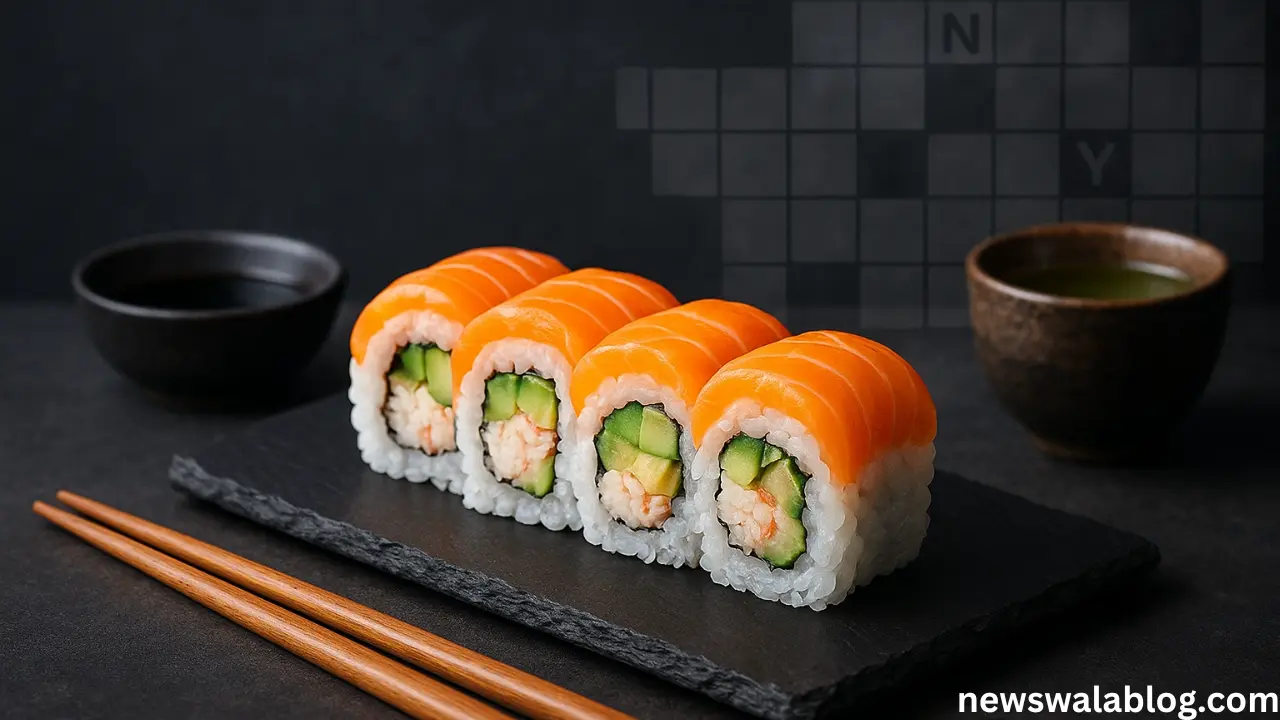
Crossword clues and food culture intersect in a fun way when a puzzle refers to a familiar dish. This article explains the clue behind sushi order topped with salmon nyt, what the answer usually points to, and why the phrase makes sense both to puzzlers and people who love sushi. You’ll get clear definitions, ordering advice, culinary context, and practical tips for recognizing or requesting salmon-topped sushi at restaurants.
The NYT crossword answer: a concise explanation
When the New York Times runs a clue like sushi order topped with salmon nyt, the intended answer is typically a Western-style roll that’s served with slices of salmon on top. In many puzzles that use this surface reading, the answer is the Alaska roll — a popular creation that layers imitation crab, avocado, and cucumber inside and finishes with thin salmon slices on the outside. The wording of the clue points solvers to a roll rather than nigiri or sashimi, because the phrasing implies a composed menu item (an “order”) rather than a singular piece.
What makes an Alaska roll “topped with salmon”
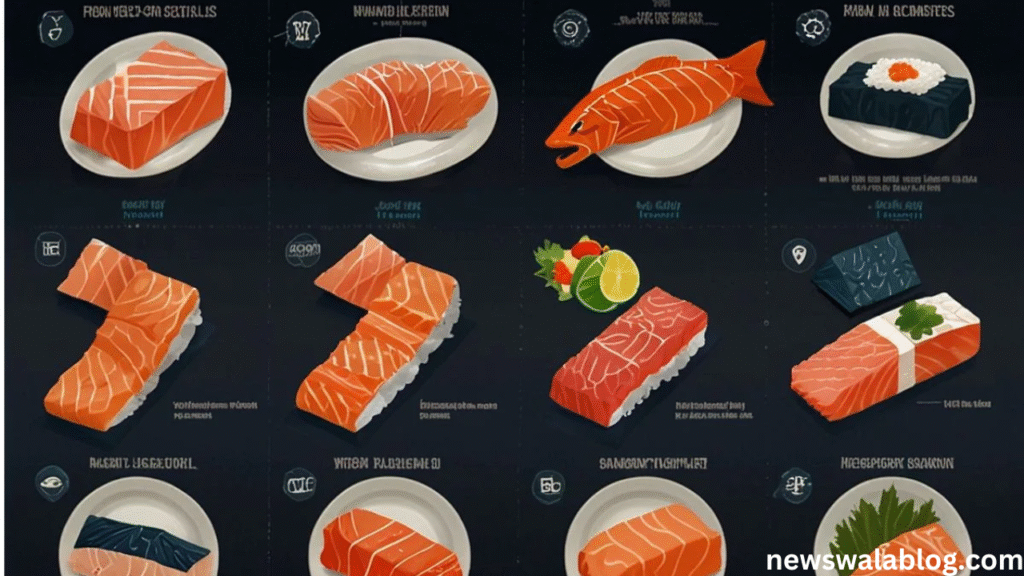
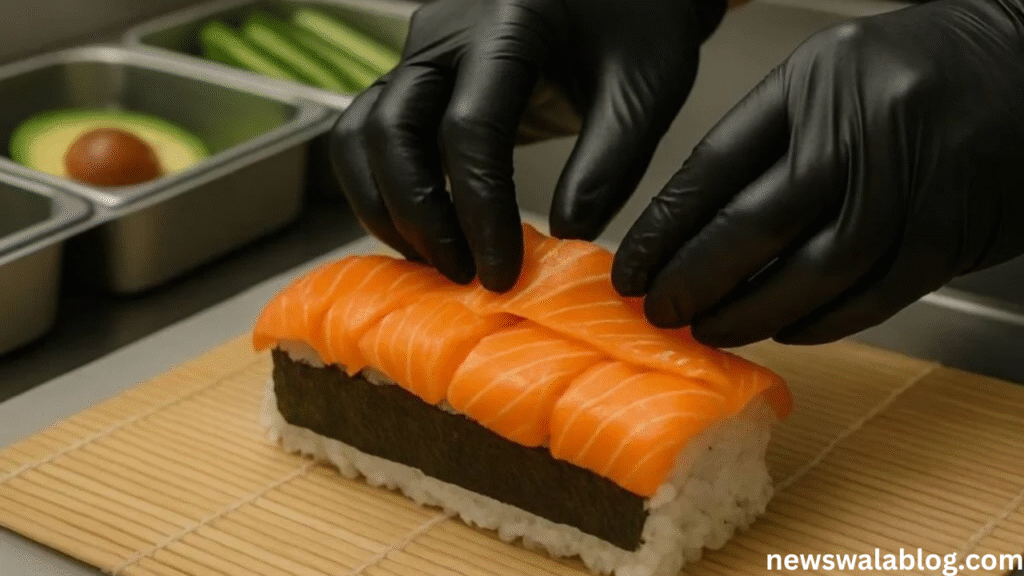
The Alaska roll is a good example of how global tastes adapt traditional forms. Classic Western sushi chefs often build inside-out rolls of rice and nori filled with crab or crab substitute, cucumber and avocado, then drape thinly sliced salmon across the top for color, flavor, and texture. That finish — the salmon laid over the roll — is precisely why a crossword clue might read sushi order topped with salmon nyt: it signals a roll where the fish is an exterior accent rather than the primary interior ingredient.
Culinary variations and related menu items
Sushi restaurants vary widely. Some chefs swap crab for cooked shrimp or real lump crab in their version of an Alaska roll; others sear the salmon top for a smoky touch or glaze it with a sweet soy reduction. Related menu items that might match a description like sushi order topped with salmon nyt include special signature rolls or contemporary creations that borrow the same visual flourish. In Japan, dishes that feature fish on top of rice are often called nigiri, but the specific phrasing here points more toward a Western roll presentation.
Ordering: how to ask for salmon-topped sushi
If you want a roll like the one hinted at by sushi order topped with salmon nyt, use clear but friendly language. Ask for an Alaska-style roll or request “a roll with salmon on top” — that tells the server you want salmon as the exterior element. If you have preferences about raw versus seared salmon, or whether the fish should be smoked, mention that when ordering. Restaurants with chef’s specialties may offer variations that echo the crossword clue without using the same name, so describing the appearance and ingredients helps.
Quality matters: choosing the right salmon topping
Not all salmon is equal when used as a topping. For the best texture and safety, look for sushi-grade salmon from reputable suppliers. Freshness, bright color, and a clean ocean scent are good signs. If you’re dining out, reputable sushi bars will indicate whether the salmon is wild or farmed, and whether it’s meant for raw consumption. When ordering a dish like the one described by sushi order topped with salmon nyt, asking about sourcing and preparation ensures you get the intended flavor and mouthfeel.
Why food-focused clues work well in crosswords
Crossword constructors love concise surface clues that also point to a clear, short answer. A phrase like sushi order topped with salmon nyt is effective because it paints a concrete picture that matches an eight- or nine-letter entry such as ALASKAROLL. It also rewards solvers who know both food culture and restaurant menu language. The clue bridges a culinary scene and a puzzle grid hit, making it memorable and satisfying when it clicks into place.
Practical tips for DIY sushi at home
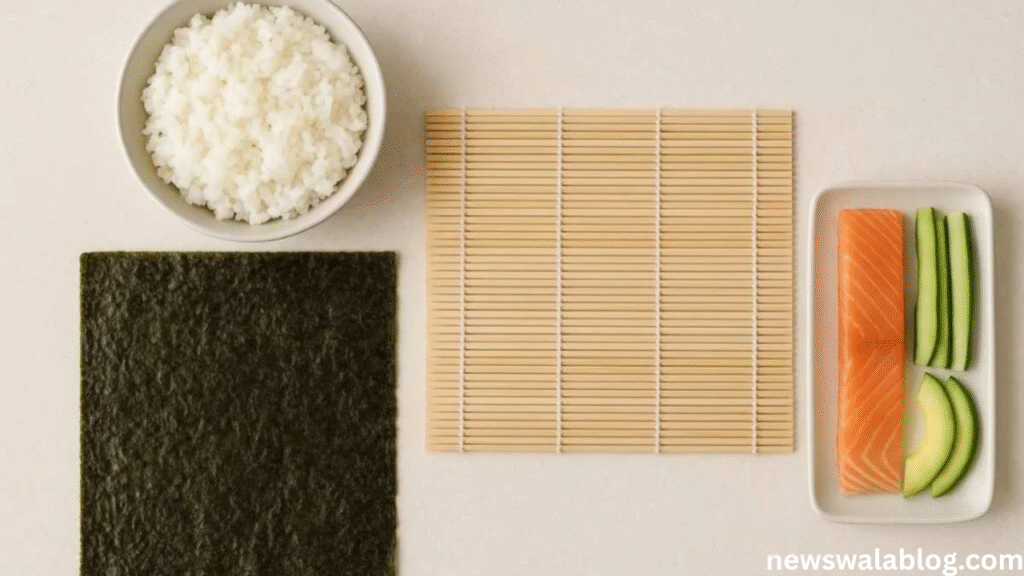
If you’d like to recreate an Alaska-style roll at home, start with high-quality sushi rice, nori, and fillings such as imitation crab or cooked crab meat, avocado, and cucumber. Roll tightly, then place thin salmon slices across the top and gently press to seal. A light brush of soy-wasabi glaze or a quick torch pass for a seared finish can elevate the roll. This hands-on approach lets you experience exactly what the crossword clue meant by sushi order topped with salmon nyt — a composed, visually rich roll with salmon as its crowning element.
Final thoughts
Clues that reference food do more than test vocabulary; they celebrate cultural details and dining habits. The phrase sushi order topped with salmon nyt points to a familiar, crowd-pleasing roll that’s both visually striking and delicious. Whether you came here after solving a puzzle or because you’re curious about menu language, the connection between the clue and the dish is simple: it describes a prepared sushi order where salmon crowns the roll.
FAQs
Q: What’s the short answer to the clue “sushi order topped with salmon nyt”?
A: The clue commonly points to an Alaska roll — a sushi roll finished with salmon slices on top.
Q: Is salmon always raw when used as a topping?
A: Not always; some chefs use seared or smoked salmon as a topping, depending on taste and safety preferences.
Q: Can I order an Alaska roll if I don’t eat raw fish?
A: Yes—ask for cooked or seared salmon, or request a similar roll made with cooked seafood to suit your needs.
Q: Are there alternatives to salmon for topping a roll?
A: Yes—toppings can include tuna, eel with glaze, avocado slices, or delicate tobiko and ikura for a roe finish.
Q: How can I ensure the salmon topping is sushi-grade?
A: When dining out, ask the server about sourcing and confirm the restaurant’s practices for raw fish; at home, buy from trusted suppliers labeled sushi-grade.
Conclusion
Understanding a crossword clue like sushi order topped with salmon nyt is a small joy for both food lovers and puzzle fans. It names a specific style of roll — often the Alaska roll — that showcases salmon as a decorative and flavorful topping. Whether you’re solving puzzles or ordering at a restaurant, the phrase points to a delicious, approachable dish that’s easy to recognize and enjoy.
read more : Dados as Explained: A Practical Guide to Data Services
Food & Drink
Candizi Explained: Why Everyone’s Talking About This Healthy Candy

candizi is becoming a frequently searched name in wellness and snack circles. This guide explains what candizi refers to, how it is positioned in the market, the typical ingredients and claimed effects, safety considerations, buying and usage tips, and how to evaluate whether it fits your needs. The goal is to give you clear, useful information you can use to write about candizi, decide whether to try it, or produce helpful content for readers.
What is candizi?
At its core, candizi is a product concept that blends candy-like formats with wellness-focused ingredients. Rather than pure confectionery, candizi-style items are typically presented as functional snacks — think gummies, chewy bites, or candy pieces infused with vitamins, adaptogens, herbal extracts, or other supplements. The idea is to make wellness more approachable by packaging functional ingredients in a familiar, tasty format that consumers already enjoy. Because candizi sits at the intersection of food, supplement, and lifestyle, descriptions you’ll find often emphasize both flavor and purported benefits.
Typical ingredients and how they work

Products marketed as candizi commonly include one or more of the following ingredient groups: natural sweeteners and fruit concentrates for taste; vitamins and minerals for basic nutrition; herbal extracts such as ashwagandha, ginseng, or chamomile for calming or adaptogenic support; caffeine or botanicals for energy and focus; and antioxidant sources like vitamin C or berry extracts. Formulators often micro-dose active ingredients so the product resembles a candy in taste and texture while delivering small, regular doses of functional compounds. It’s important to read labels carefully; ingredient concentrations vary widely between manufacturers, and the presence of an ingredient on a label does not automatically indicate a clinically effective dose.
Claimed benefits and real-world expectations
Manufacturers and reviews often highlight benefits such as improved focus, gentle energy, reduced stress, immune support, or mood enhancement. These claims are attractive because they promise tangible daily benefits in a convenient form. In real-world terms, the effects a person experiences will depend on the specific ingredients, their doses, the user’s physiology, and consistency of use. Some consumers report noticeable results from repeated use, while others see little change beyond enjoying a flavored snack. When evaluating candizi or similar products, look for transparent labeling, third-party testing, and realistic marketing language rather than sweeping promises.
Safety, interactions, and evidence

Safety is a central concern when edible products claim functional benefits. Even though candizi-style items are marketed as everyday treats, they can contain active compounds that interact with medications or are unsuitable for certain groups (pregnant people, young children, or those with chronic conditions). Because the regulatory landscape for edible supplements varies by region, clinical evidence for many ingredients in candizi formats may be limited. A cautious approach includes checking the ingredient list, researching any herbs or supplements you’re unfamiliar with, and consulting a healthcare professional if you take prescription medication or have health conditions. Prioritize products that publish third-party lab results for purity and potency.
Who might benefit from candizi-style products?
candizi products tend to appeal to busy people who want simple ways to support energy, calmness, or daily nutrition without adding another pill or complicated routine. They can be useful for travelers, students, professionals, and anyone seeking a flavorful, portable option. That said, these items work best as part of an overall healthy lifestyle — balanced diet, good sleep, and regular activity — rather than as a primary solution for medical or psychological issues.
How to choose and where to buy

When shopping for candizi items, use the following checklist: read the full ingredients list, check active compound dosages, seek transparency about sourcing and manufacturing, look for third-party testing or certifications, and review customer feedback for real-world experiences. Compare prices on official brand sites and reputable retailers, and be cautious of unusually low prices that might indicate counterfeit or expired stock. Buying from verified sellers helps ensure product authenticity and access to return policies.
Usage, storage, and common questions
Dosage recommendations for candizi-style products vary; follow the manufacturer’s instructions and avoid exceeding suggested amounts. Because these products can contain sugar or sweeteners, be mindful of total daily intake if you have dietary restrictions or diabetes. Store candizi items in a cool, dry place away from direct sunlight to preserve texture and active ingredient stability. If a product contains caffeine or stimulatory botanicals, avoid using it close to bedtime.
Alternatives and comparison points
If you’re exploring options beyond candizi-style snacks, consider traditional supplement formats (capsules, powders), fortified foods (like nutrient-enhanced bars), or lifestyle practices (short naps, mindfulness exercises, hydration) that deliver similar benefits without added sugars. When comparing products, prioritize evidence for active ingredients, dose transparency, and safety data over flashy packaging or influencer endorsements.
Writing about candizi: content and SEO tips
For content creators aiming to rank for candizi-related searches, focus on helpful, evidence-oriented articles that answer common user questions: What is candizi? What are the ingredients? Is it safe? Where can I buy it? Include clear product labels, comparisons, and user experiences. Use the exact term candizi naturally throughout your content, provide trustworthy references when possible, and structure articles with descriptive headings so readers and search engines can quickly find the information they need. High-quality images of product labels, ingredient breakdowns, and honest pros-and-cons lists boost credibility and time on page.
Conclusion
candizi represents a convergence of enjoyment and function — candy formats designed to deliver small doses of beneficial compounds in a tasty, convenient package. Whether candizi-style products are right for you depends on ingredient transparency, evidence for the active compounds, personal health status, and realistic expectations. Treat these items as a supplement to a healthy routine rather than a cure-all, and choose reputable brands that prioritize clear labeling and safety.
Frequently Asked Questions
1. What is candizi?
candizi refers to candy-like products infused with vitamins, herbs, or other functional ingredients designed for convenience and flavor.
2. Are candizi products safe?
They can be safe for many people, but check ingredient dosages and consult a healthcare professional if you take medications or have health concerns.
3. How should I use candizi items?
Follow the manufacturer’s recommended serving size and avoid exceeding daily intake; treat them as supplements, not replacements for whole foods.
4. Can children use candizi products?
Many are not formulated for young children; always check age guidance and consult a pediatrician before giving such products to kids.
5. How do I pick a good candizi product?
Choose brands with transparent labels, third-party testing, and realistic claims; read reviews and compare ingredient dosages before buying.
read more : What Makes Your Topics Multiple Stories a Game-Changer for Bloggers?
Food & Drink
Calamariere — A Complete Guide to Cooking & Serving Squid
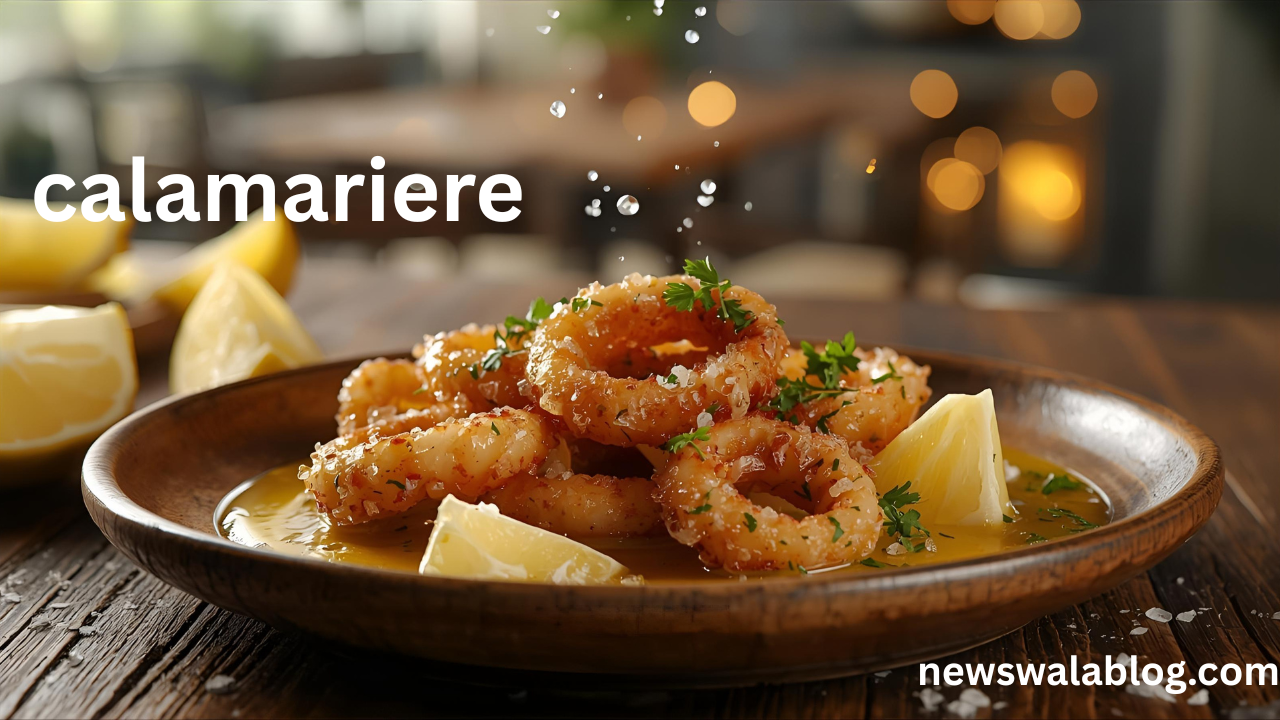
calamariere is an emerging culinary name used to describe squid-focused dishes that celebrate texture and simple, bold flavors. In this guide you’ll learn practical tips, ingredient choices, and cooking methods that make calamariere approachable for home cooks and impressive in restaurant kitchens. I’ll walk you through how to buy the right squid, the steps that prevent rubberiness, and a few foundational recipes you can master in an evening. The goal is to give you reliable, repeatable techniques and sensible flavor combinations so that the seafood—not heavy sauce or complicated technique—remains the star. Whether you cook for family dinners or host a tasting menu, these methods help you turn an everyday ingredient into a memorable plate.
What is calamariere?
At its heart, calamariere signals a deliberate approach to squid: treat it as the main ingredient with thoughtful seasoning, precise timing, and complementary elements rather than as a quick, greasy snack. The idea prioritizes restraint—using a few quality components to enhance the seafood’s natural sweetness and firm-but-tender texture. Chefs who use this label aim to present squid in multiple expressions on a single menu or to elevate a single preparation through superior technique. If you adopt this mindset at home, you focus on freshness, the right cutting and cleaning, and timing that keeps the flesh tender.
Origins and flavor profile

The concept behind calamariere draws from Mediterranean and coastal cooking traditions where squid is a pantry staple in villages and busy port towns alike. Those cuisines favor olive oil, lemon, garlic, and fresh herbs—ingredients that highlight rather than mask the subtle oceanic notes of squid. The natural flavor is mildly sweet with a clean seawater minerality; texture is the defining trait. Regional variations exist—Spanish calamares, Italian calamari fritti, and grilled Aegean squid differ in seasoning and service, but they share an economy of technique: keep preparations simple and let the seafood speak for itself.
Choosing and preparing squid
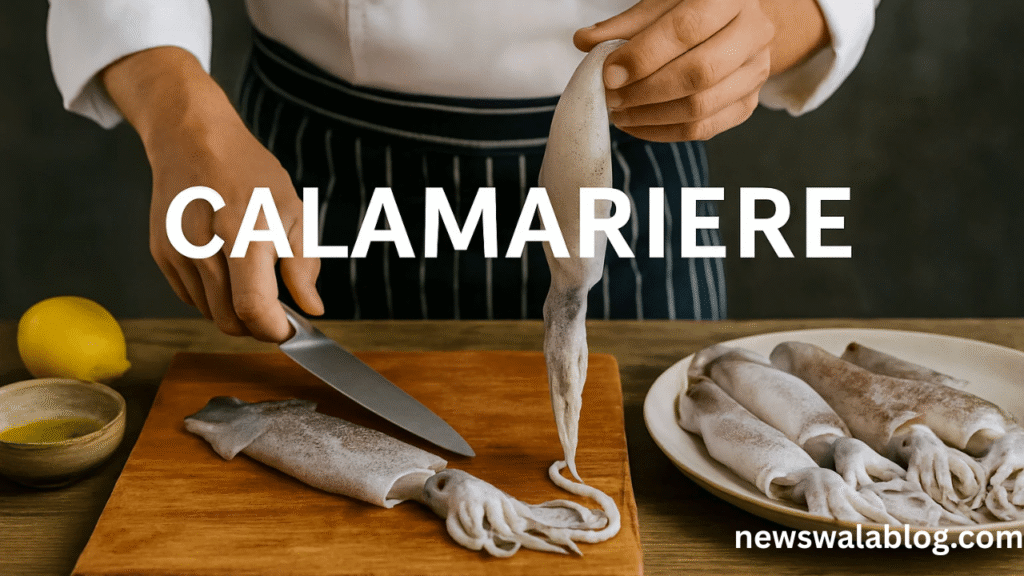
Choosing the right squid is essential for a successful calamariere; aim for small to medium specimens with firm, glossy bodies and clear, moist flesh. Avoid anything with a strong fishy smell or slimy texture. At home, basic prep will set you up for tender results: pull out the head and innards, remove the transparent quill, peel any papery skin, and separate the tubes from the tentacles. Rinse gently and pat dry. Some cooks prefer a short soak in milk or a light salt brine for 20–30 minutes to mellow flavor and add slight tenderness, but the most important steps remain: dry the pieces well before cooking, and keep a sharp knife and steady hands for uniform cuts.
Cooking methods that work

Experienced cooks think about calamariere as a discipline: pick the right method and don’t second-guess the clock. There are two reliable roads to tender squid—very fast over very high heat, or slow and gentle for braised or stuffed preparations. Quick techniques such as flash-frying, searing in a screaming-hot pan, or grilling over high coals create caramelized edges and a tender interior when timed correctly—often no more than one to two minutes per side for rings and whole small squids. For longer preparations, stuff cleaned tubes with a savory breadcrumb-herb filling, sear them briefly, then simmer in a light tomato or wine sauce until tender; this transforms tougher cuts into succulent bites. The single largest mistake is mid-length cooking: not hot enough for short techniques, or not long enough for braises—both lead to toughness.
Simple recipes to try
Start with pan-seared rings: score the inside lightly, toss rings in a pinch of salt and pepper and a dusting of flour, then sear in very hot oil with a smashed garlic clove until lightly browned; finish with lemon and chopped parsley. For stuffed squid, combine toasted breadcrumbs, garlic, capers, parsley, and a drizzle of olive oil; fill tubes, secure with a toothpick, sear the stuffed tubes to color, and simmer in a light tomato-basil broth for 20–30 minutes. For a grilled option, marinate small whole squids in lemon, olive oil, and minced garlic for 15 minutes, thread them onto skewers, and grill for 1–2 minutes per side for char and smokiness. Each template is adaptable: swap herbs, add spice, or pair with seasonal produce for variety.
Serving suggestions and pairings
Serve calamariere with bright, acidic contrasts—fresh lemon wedges, a parsley-garlic gremolata, or a caper-lemon vinaigrette—to lift the dish and balance richness. Texture contrasts delight the palate: pair tender squid with crunchy fennel and orange salad, toasted breadcrumbs for bite, or a light chickpea purée. Beverage choices should refresh the palate—think crisp, mineral whites; citrus-forward rosés; or a lively sparkling wine. For more casual pairings, a citrusy lager or a dry cider can work beautifully.
Tips for plating and presentation
Plating is an opportunity to tell a small story: arrange pieces to show contrast in color and texture, use height for visual interest, and keep sauces as accents rather than puddles that drown the main element. Finish with a drizzle of quality olive oil and a sprinkle of flaky salt for sheen and flavor. If serving family style, present grilled pieces on a wooden board with lemon halves and a small bowl of herb oil; for a plated course, place a nested smear of purée, stack the squid pieces, and finish with micro-herbs or thinly sliced fennel.
Conclusion
Embracing calamariere means committing to quality ingredients, respectful technique, and balanced flavors; when those elements come together, squid becomes a versatile and memorable center plate rather than a simple starter. Practice the basic methods—fast sear and gentle simmer—learn to judge doneness by feel and timing, and favor bright, simple accompaniments that let the seafood shine. With a handful of reliable recipes and a few plating habits, you can make squid a regular, confident choice in your cooking rotation.
FAQs
Q1: What is the best type of squid to buy?
Choose small to medium squid with firm, translucent bodies and a fresh ocean scent. Avoid any that smell strongly fishy or feel slimy.
Q2: How do I prevent squid from becoming rubbery?
Cook either very quickly over high heat or slowly at low temperature; avoid medium-length cooking times that tighten the proteins.
Q3: Do I need to soak squid before cooking?
Soaks are optional; a brief milk or salt-brine soak can tenderize slightly, but correct timing and heat matter more.
Q4: How should I store fresh squid?
Keep fresh squid cold and use within one to two days, or freeze it in airtight packaging for longer storage to preserve texture and flavor.
Q5: What sauces pair best with squid dishes?
Light, acidic sauces—citrus vinaigrettes, garlic-herb oil, or a simple tomato sauce—complement squid without overwhelming it.
read more : Masgonzola: A Creamy Blue Cheese Blend You Should Try
-

 Celebrity5 months ago
Peter Kay Weight Loss The Incredible Transformation of Britain’s Beloved Comedian
-

 Food & Drink5 months ago
Discover the Authentic Taste of Бишкоти ди Прато Italy’s Most Beloved Almond Biscuits
-

 Entertainment5 months ago
Erazno y La Chokolata The Ultimate Hispanic Comedy Radio Experience
-

 News5 months ago
Wetherspoon Bar Drinking Ban New Policy Sparks Customer Controversy
-

 News5 months ago
Manchester City 115 Charges Verdict Everything You Need to Know About the Historic Case
-

 Entertainment5 months ago
The Complete Guide to Crusader Crossword Puzzles
-

 News5 months ago
Rachel Reeves Pension Tax Complete Guide to Labour’s Policy Changes and Their Impact
-

 Blog5 months ago
Ronnie Ramsay The Untold Story of Gordon Ramsay’s Brother