
Travel & Tourism
Costa del Sol Sea Brown Complete Guide for Travelers

Introduction to Costa del Sol
The Costa del Sol, meaning “Coast of the Sun,” stretches along the stunning southern coastline of Spain in the Andalusia region. This Mediterranean paradise has captivated millions of visitors with its golden beaches, vibrant culture, and year-round sunshine. However, travelers occasionally encounter an unexpected phenomenon – the Costa del Sol sea brown waters that can transform the typically azure Mediterranean into murky, chocolate-colored seas.
Located along Spain’s southern coast, the Costa del Sol spans approximately 150 kilometers from Nerja in the east to Sotogrande in the west. This Mediterranean coastline boasts some of Europe’s most beloved beach destinations, attracting sun-seekers, water sports enthusiasts, and culture lovers from around the globe. The region’s popularity stems from its perfect blend of natural beauty, historic charm, and modern amenities.
Understanding the “Sea Brown” Phenomenon
Natural Causes Behind Brown Water
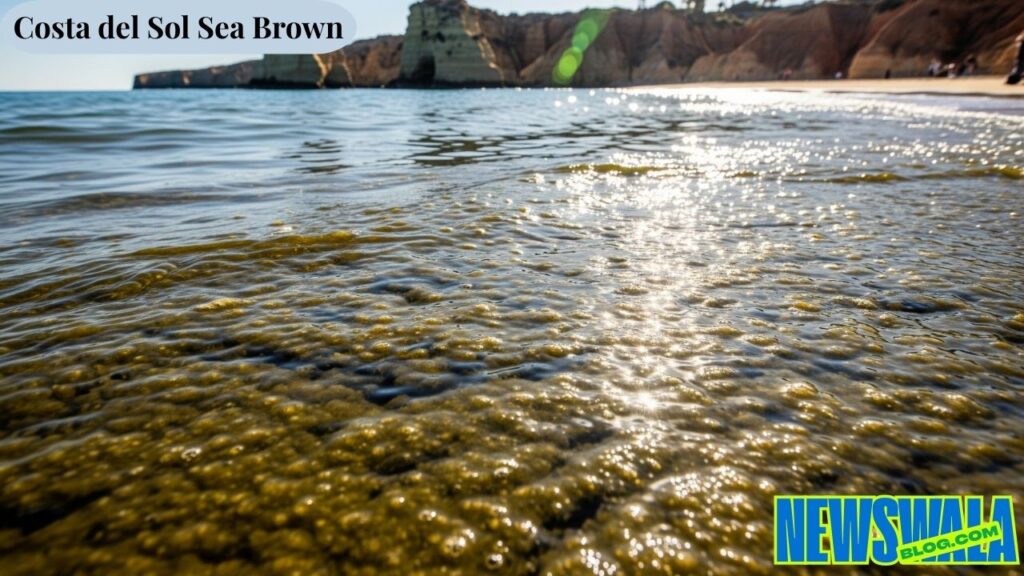
The costa del sol sea brown phenomenon occurs due to several natural environmental factors that temporarily alter the water’s appearance. Understanding these causes helps visitors appreciate this natural occurrence rather than viewing it as a problem.
Seasonal Algae Blooms During warmer months, nutrient-rich waters can trigger algae blooms that create brownish discoloration. These microscopic organisms multiply rapidly under favorable conditions, temporarily changing the sea’s color from its usual blue to various shades of brown or green.
Sediment Suspension from Storms Mediterranean storms and rough seas stir up sediment from the ocean floor, creating the costa del sol sea brown appearance. Strong winds and waves disturb sand and organic matter, suspending particles in the water column and reducing visibility.
River Runoff and Nutrient Influx Heavy rainfall causes rivers flowing into the Mediterranean to carry increased sediment and nutrients. This runoff contributes to the costa del sol sea brown coloration, particularly near river mouths and after significant weather events.
Posidonia Oceanica Decomposition The decomposition of Posidonia oceanica, a native Mediterranean seagrass, can contribute to water discoloration. When these underwater meadows shed their leaves seasonally, the decomposing organic matter can create temporary brown patches in coastal waters.
Temporary vs. Permanent Discoloration
The costa del sol sea brown phenomenon is typically temporary, lasting anywhere from a few hours to several days. Unlike pollution-related discoloration, these natural occurrences are cyclical and part of the Mediterranean ecosystem’s normal functioning. The water usually returns to its characteristic blue color once the triggering conditions subside.
Environmental Factors Affecting Water Color
Several environmental factors influence when and where the costa del sol sea brown phenomenon occurs. Temperature fluctuations, wind patterns, tidal movements, and seasonal weather changes all play crucial roles in determining water clarity and color along the coastline.
Seasonal Patterns
Peak Occurrence Months
The costa del sol sea brown phenomenon typically peaks during late spring and early autumn when environmental conditions align to create perfect conditions for natural water discoloration. May through June and September through October often see the highest frequency of these events.
Weather Conditions That Trigger Brown Water
Specific weather patterns contribute to the costa del sol sea brown occurrence. Strong easterly winds, known locally as “Levante,” combined with temperature changes and atmospheric pressure variations, often precede these natural events. Heavy rainfall followed by calm conditions can also trigger temporary water discoloration.
Duration and Frequency of Events
Most costa del sol sea brown episodes last between 24 to 72 hours, though some may persist for up to a week under specific conditions. The frequency varies annually, with some years experiencing more episodes than others, depending on weather patterns and environmental factors.
Regional Variations Along the Coast
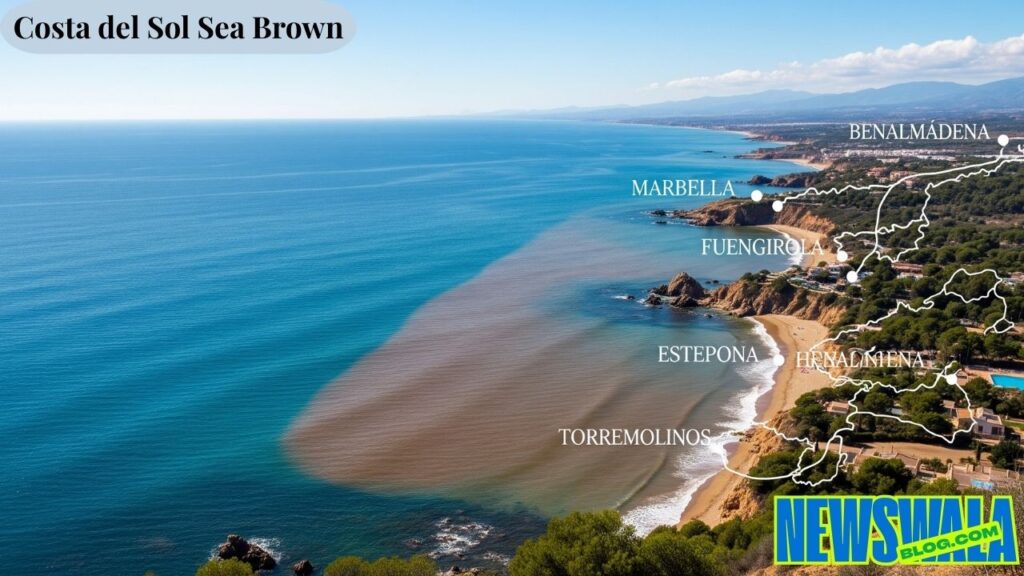
Different areas along the Costa del Sol experience the costa del sol sea brown phenomenon with varying intensity and frequency. Eastern sections near Nerja and Málaga often see different patterns compared to western areas like Marbella and Estepona, due to local geography and current patterns.
Impact on Tourism and Activities
Beach Conditions During Brown Water Events
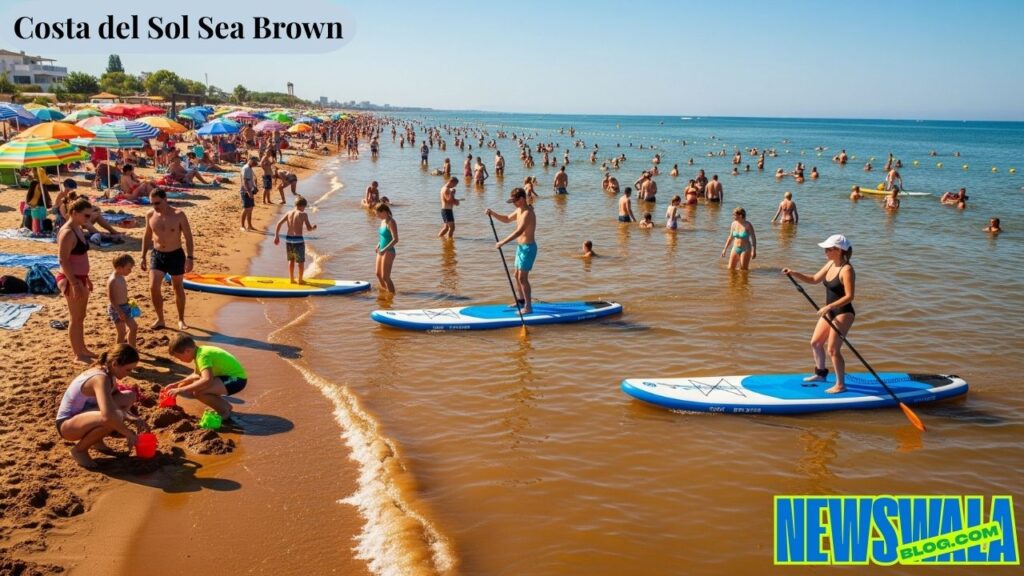
When costa del sol sea brown conditions occur, beaches remain open and safe for most activities. The phenomenon primarily affects water appearance rather than posing health risks. Beach facilities, restaurants, and amenities continue operating normally during these natural events.
Swimming and Water Sports Considerations
Swimming remains generally safe during costa del sol sea brown episodes, though visibility underwater becomes significantly reduced. Water sports enthusiasts might experience different conditions, with surfing and sailing less affected than diving and snorkeling.
Photography and Scenic Viewing Effects
The costa del sol sea brown phenomenon creates unique photographic opportunities for those interested in capturing nature’s diverse moods. While traditional beach photography might be less appealing, the dramatic contrast between brown waters and golden shores offers distinctive scenic perspectives.
Tourist Expectations vs. Reality
Many visitors arrive expecting pristine blue waters and may initially feel disappointed encountering costa del sol sea brown conditions. However, understanding this natural phenomenon helps travelers appreciate the Mediterranean’s dynamic ecosystem and plan activities accordingly.
Affected Areas Along Costa del Sol
Málaga Province Beaches
The entire Málaga province coastline can experience costa del sol sea brown conditions, though intensity and duration vary by location. Urban beaches like La Malagueta may show different patterns compared to more remote coastal areas.
Marbella and Puerto Banús
These upscale destinations occasionally experience costa del sol sea brown episodes, typically lasting shorter periods due to their geographic position and local current patterns. The phenomenon doesn’t affect the luxury amenities and services these areas are famous for.
Torremolinos and Benalmádena
The central Costa del Sol areas, including Torremolinos and Benalmádena, experience costa del sol sea brown conditions with moderate frequency. These family-friendly destinations offer numerous alternative activities when water conditions aren’t ideal for swimming.
Fuengirola and Mijas Costa
This section of coastline shows similar patterns to neighboring areas, with costa del sol sea brown events typically coinciding with broader regional environmental conditions. The areas’ excellent infrastructure ensures visitor comfort regardless of sea conditions.
Estepona and Western Coastline
The western Costa del Sol, including Estepona, experiences costa del sol sea brown phenomena less frequently than eastern sections. When it does occur, the duration tends to be shorter due to different current patterns and geographic features.
What Visitors Should Know
Health and Safety Considerations
The costa del sol sea brown phenomenon poses no significant health risks to swimmers or beachgoers. The discoloration results from natural processes rather than pollution, making the water safe for recreational activities despite its unusual appearance.
Best Times to Visit for Clear Water
To minimize encounters with costa del sol sea brown conditions, consider visiting during mid-summer months when such episodes are less common. However, the phenomenon’s unpredictable nature means clear waters can’t be guaranteed during any specific period.
Alternative Activities During Brown Water Periods
When costa del sol sea brown conditions occur, visitors can explore the region’s rich cultural heritage, visit historic towns like Ronda, enjoy spa treatments, or discover inland attractions. The Costa del Sol offers countless land-based activities that remain unaffected by sea conditions.
Local Weather and Sea Condition Resources
Several local resources provide real-time information about costa del sol sea brown conditions. Beach authorities, tourism offices, and weather services offer updates helping visitors plan their activities accordingly.
Environmental Context
Mediterranean Sea Ecosystem
The costa del sol sea brown phenomenon plays a role in the Mediterranean’s complex ecosystem. These natural events contribute to nutrient cycling and support marine biodiversity, demonstrating the sea’s dynamic and healthy functioning.
Climate Change Impacts
Climate change may influence the frequency and intensity of costa del sol sea brown episodes. Rising sea temperatures and changing precipitation patterns could alter the timing and duration of these natural occurrences in future years.
Conservation Efforts
Local authorities and environmental organizations work to maintain the Mediterranean’s health while educating visitors about natural phenomena like costa del sol sea brown conditions. These efforts focus on preserving the ecosystem’s balance and promoting environmental awareness.
Long-term Water Quality Trends
Despite occasional costa del sol sea brown episodes, long-term water quality along the Costa del Sol remains excellent. Ongoing monitoring ensures that natural phenomena are distinguished from pollution-related issues, maintaining the region’s reputation for clean, safe waters.
Practical Travel Tips
Planning Around Sea Conditions
While costa del sol sea brown conditions can’t be predicted with complete accuracy, flexible travel planning helps maximize enjoyment. Booking accommodations with good land-based amenities ensures comfort regardless of sea conditions.
Alternative Beaches and Locations
When costa del sol sea brown conditions affect your preferred beach, numerous alternative locations along the extensive coastline may offer clearer waters. Local knowledge and real-time conditions help identify the best nearby options.
Local Resources for Current Conditions
Tourism offices, hotel staff, and local authorities provide valuable information about current costa del sol sea brown conditions. Social media and local news outlets also offer real-time updates about sea conditions along different coastal sections.
Expectations Management for Travelers
Understanding that costa del sol sea brown is a natural, temporary phenomenon helps set appropriate expectations. Embracing these unique conditions as part of the Mediterranean experience enriches your coastal holiday rather than detracting from it.
The Costa del Sol remains one of Europe’s premier beach destinations, offering incredible value and experiences regardless of temporary natural phenomena like the costa del sol sea brown occurrence. By understanding and appreciating these natural processes, visitors can fully enjoy everything this magnificent coastline has to offer.
Also Read: Peter Kay Weight Loss The Incredible Transformation of Britain’s Beloved Comedian

Travel & Tourism
Inside Mike Wolfe Passion Project: Preserving America’s Hidden History

Mike Wolfe, widely known as the charismatic host of American Pickers, is more than just a television personality. His love for American history, antiques, and small-town culture has evolved into a far-reaching initiative called the Mike Wolfe Passion Project. This project is a heartfelt mission to preserve America’s forgotten towns, support artisans, and celebrate the stories behind historical artifacts. For those curious about the intersections of heritage, craftsmanship, and community, the Mike Wolfe Passion Project offers an inspiring blueprint for cultural preservation.
Origins of the Mike Wolfe Passion Project
The Mike Wolfe Passion Project began as an extension of Wolfe’s lifelong fascination with Americana. Growing up surrounded by history and antiques, he developed a keen eye for unique stories embedded in old objects. His journey on American Pickers allowed him to uncover hidden treasures and engage with local communities across the United States. Yet, Wolfe realized that the artifacts were only part of the story; the buildings, towns, and people behind them were equally significant.
This realization sparked the creation of the Mike Wolfe Passion Project, a comprehensive effort to revitalize historic spaces, shine a spotlight on small-town artisans, and ensure that America’s cultural heritage is not lost to time. Unlike typical restoration initiatives, this project combines storytelling, community involvement, and economic revitalization to create lasting impact.
Core Goals and Mission

At its heart, the Mike Wolfe Passion Project revolves around three key pillars: historic preservation, cultural storytelling, and artisan support.
- Historic Preservation: Wolfe focuses on identifying neglected buildings and spaces with historical significance. These sites are restored not only to retain their original charm but also to become functional community hubs. Every restoration project aims to maintain architectural authenticity, celebrating features such as tin ceilings, original woodwork, and vintage signage.
- Cultural Storytelling: Each artifact, building, or craft featured in the project tells a unique story. Wolfe believes that history lives in both objects and the communities that nurture them. Through his work, he highlights the narratives behind these spaces, emphasizing their relevance to present-day audiences.
- Supporting Artisans: The Mike Wolfe Passion Project actively promotes traditional crafts and supports local artisans. From blacksmithing and pottery to neon sign making, Wolfe provides exposure and micro-grants that help sustain these time-honored trades while introducing them to a wider audience.
By intertwining these three elements, the Mike Wolfe Passion Project becomes more than a restoration initiative; it is a holistic effort to preserve the cultural and economic fabric of small-town America.
Major Initiatives and Projects
Over the years, the Mike Wolfe Passion Project has taken on several remarkable endeavors that showcase its dedication to heritage and community development.
Historic Building Restorations
One of the most visible aspects of the project is the restoration of historic buildings. Wolfe has led the renovation of numerous structures, breathing new life into forgotten spaces. Notable projects include:
- Columbia, Tennessee: A former 1940s Chevrolet dealership was transformed into a vibrant community space featuring vintage shops, gallery exhibits, and gathering areas for local events. This restoration sparked interest and foot traffic in downtown Columbia, creating a renewed sense of pride among residents.
- LeClaire, Iowa: Three 1880s storefronts in Wolfe’s hometown were revitalized to host his flagship Antique Archaeology store and a community workshop. These restorations not only preserved the historical integrity of the buildings but also turned the area into a thriving cultural hub for both residents and visitors.
- Nashville, Tennessee: Wolfe has also undertaken the renovation of historic homes and commercial properties, ensuring that architectural details such as beadboard walls, tin ceilings, and original flooring are carefully preserved.
Two Lanes: A Digital Platform for Americana
In addition to physical restorations, Wolfe created Two Lanes, a digital platform that extends the Mike Wolfe Passion Project online. Two Lanes serves as a storytelling hub and marketplace, allowing audiences to explore Americana from the comfort of their homes. Key features include:
- Storytelling: Articles, photos, and videos showcase vintage motels, diners, and motorcycles, giving readers insight into America’s cultural heritage.
- Artisan Spotlights: Local craftsmen practicing traditional trades are featured, helping to preserve and promote their skills.
- Curated Marketplace: Handmade goods such as leather tools, pottery, and other artisanal products are available for purchase, directly supporting the creators.
Two Lanes has experienced substantial growth, with a surge in website traffic demonstrating the public’s appetite for authentic stories and heritage experiences.
“100 Buildings, 100 Stories” Initiative
One of the most ambitious efforts within the Mike Wolfe Passion Project is the “100 Buildings, 100 Stories” initiative. Wolfe aims to restore at least one historic building in each U.S. state by 2027. Every building is carefully selected for its cultural or historical significance, and each restoration is documented to preserve the story behind it. As of 2025, over 20 buildings have been restored, leaving a lasting impact on local communities and their residents.
Community Engagement and Cultural Impact

The Mike Wolfe Passion Project goes beyond restoring buildings; it actively engages communities and fosters cultural pride.
- Economic Revitalization: Restored spaces attract visitors, boosting local businesses and encouraging entrepreneurship. Small-town economies benefit as tourism and cultural activities increase.
- Cultural Preservation: The project highlights forgotten histories, ensuring that traditions, stories, and architectural details are maintained for future generations.
- Public Participation: Wolfe encourages public involvement through initiatives like volunteer restoration days, educational workshops, and the Two Lanes Pledge, inviting individuals to document and explore historic sites.
Through these efforts, the Mike Wolfe Passion Project creates a ripple effect that strengthens both the cultural and economic vitality of the towns it touches.
Recent Developments and Media Ventures
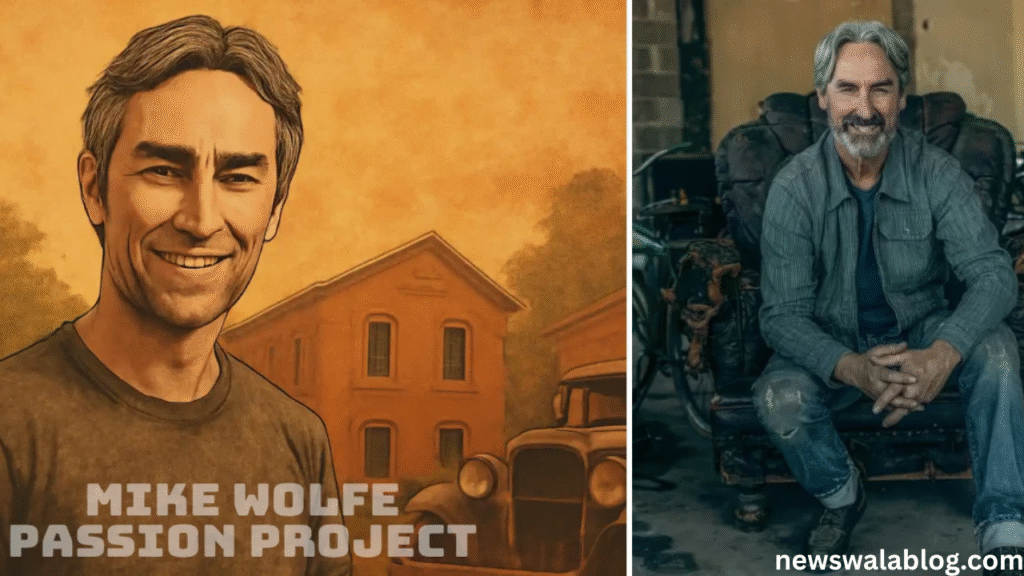
In recent years, Wolfe has expanded his passion project into the realms of television and film. He made his feature film debut in Day of Reckoning, demonstrating his versatility and storytelling skills. Additionally, Wolfe announced a new television series, History’s Greatest Picks with Mike Wolfe, where he explores significant historical artifacts and their cultural importance. These media ventures complement the Mike Wolfe Passion Project by broadening its reach and reinforcing its mission of heritage preservation.
How to Get Involved
Individuals passionate about history, craftsmanship, or community development can actively engage with the Mike Wolfe Passion Project:
- Explore Two Lanes: Learn about restoration projects, discover artisans, and support heritage crafts through purchases or donations.
- Social Media Participation: Share discoveries or restoration stories using the hashtag #MikeWolfePassionProject to join a growing community of enthusiasts.
- Support Artisan Grants: Contribute to micro-grants that help artisans continue traditional trades, ensuring that these skills are passed down to future generations.
By participating, readers become part of a movement dedicated to preserving the richness of American culture and small-town life.
Conclusion
The Mike Wolfe Passion Project is more than a series of restorations or television appearances; it is a labor of love dedicated to preserving America’s heritage. Through the careful restoration of historic buildings, support for traditional artisans, and the storytelling that brings history to life, Mike Wolfe demonstrates how one individual’s passion can make a meaningful impact. For anyone interested in history, culture, or community revitalization, the Mike Wolfe Passion Project offers inspiration, opportunities for engagement, and a reminder that preserving the past ensures a richer, more connected future.
FAQs About Mike Wolfe Passion Project
1. What is the Mike Wolfe Passion Project?
It is Mike Wolfe’s initiative focused on restoring historic buildings, supporting artisans, and preserving small-town American heritage.
2. Where has Mike Wolfe restored historic buildings?
Key locations include Columbia, Tennessee, LeClaire, Iowa, and Nashville, Tennessee, among other sites across the U.S.
3. What is Two Lanes?
Two Lanes is Wolfe’s digital platform that showcases stories, artisans, and a curated marketplace for heritage crafts.
4. How can I support the Mike Wolfe Passion Project?
You can support it by visiting Two Lanes, donating to artisan grants, or sharing historic discoveries online.
5. What is the “100 Buildings, 100 Stories” initiative?
It is Wolfe’s goal to restore one historic building in each U.S. state by 2027, preserving unique stories and architecture for future generations.
read more : Delta Flight DL275 Diverted LAX: Inside the Emergency and Passenger Experience
Travel & Tourism
sztavrosz — Meaning, Origins, and a Practical Guide
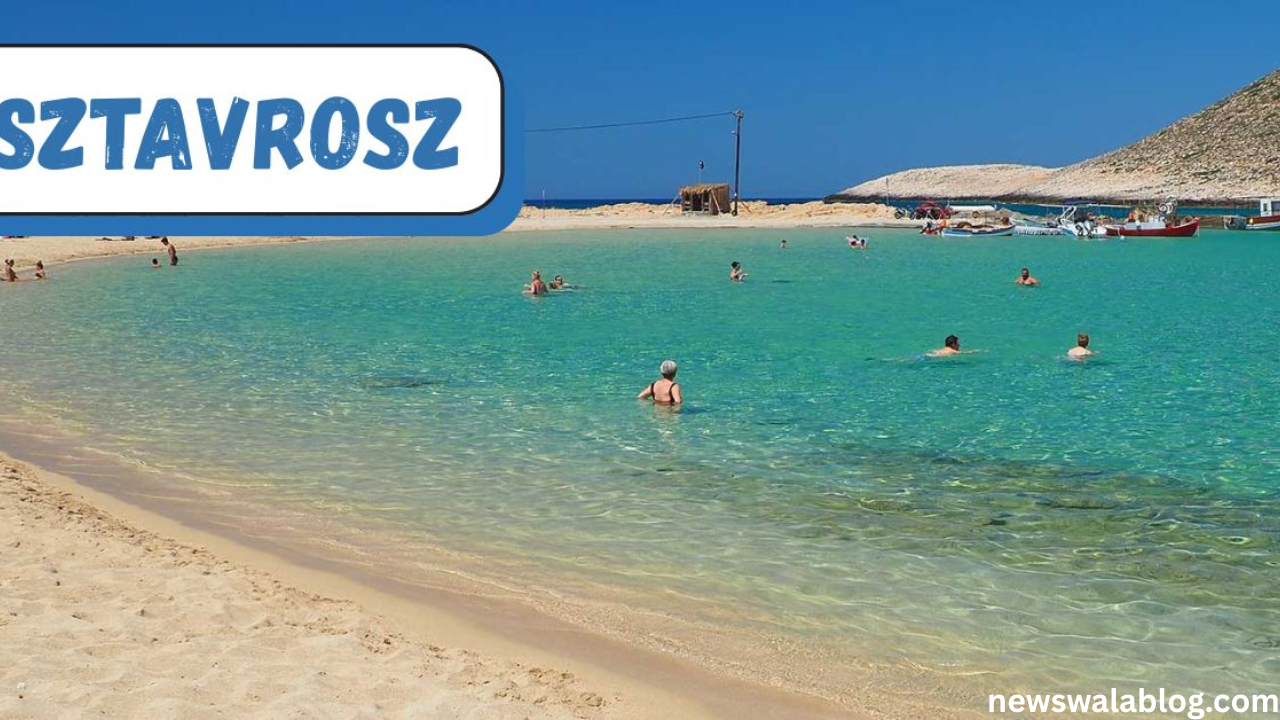
sztavrosz is a word that sparks curiosity: is it a name, a place, or simply a spelling variant of something older? In this article you’ll find a clear, human-friendly exploration of sztavrosz — its linguistic roots, why different spellings appear, what the word points to on maps, and practical information if you encounter it while researching travel, genealogy, or local culture. This is an informational, readable piece meant to help real people understand and use the term correctly.
What does sztavrosz mean?
At its core, sztavrosz is a variant form derived from a well-known Greek name and word. The root idea refers to “cross” in Greek, and through time and travel that original word has taken shape in different alphabets and languages. When you see sztavrosz written in Latin characters, it often reflects a regional transliteration or an attempt to render Greek sounds using Central or Eastern European spelling rules. In short: sztavrosz points back to a Greek origin and carries the same basic meaning connected to a cross or a name formed from that word.
Linguistic background and why spellings vary

Languages use their own phonetic and orthographic rules to represent foreign names. Greek letters converted into Latin scripts sometimes create multiple legitimate variants. For example, the Greek letter combination that sounds like “stavros” can appear as sztavrosz when influenced by languages that use “sz” to represent the /s/ sound. Writers or mapmakers aiming to make the name readable for their audience choose forms that fit local spelling norms. That’s why sztavrosz exists alongside other spellings: it’s a natural product of cross-language transcription.
Where you might encounter sztavrosz
People encounter sztavrosz in a few common contexts:
- As a personal name or family name on records and profiles, especially in multicultural or diasporic communities.
- On travel websites, maps, or local guides where the town or coastal area known in Greek as Stavros is written to fit non-Greek orthography.
- In historical or cultural texts where authors transliterate Greek words using Central European patterns.
If you are researching family history, planning travel, or collecting place-name data, seeing sztavrosz should signal that you look for related forms as well — a wider search will catch stavros, Stavros, and other variants.
Practical travel guide: visiting the place behind the name
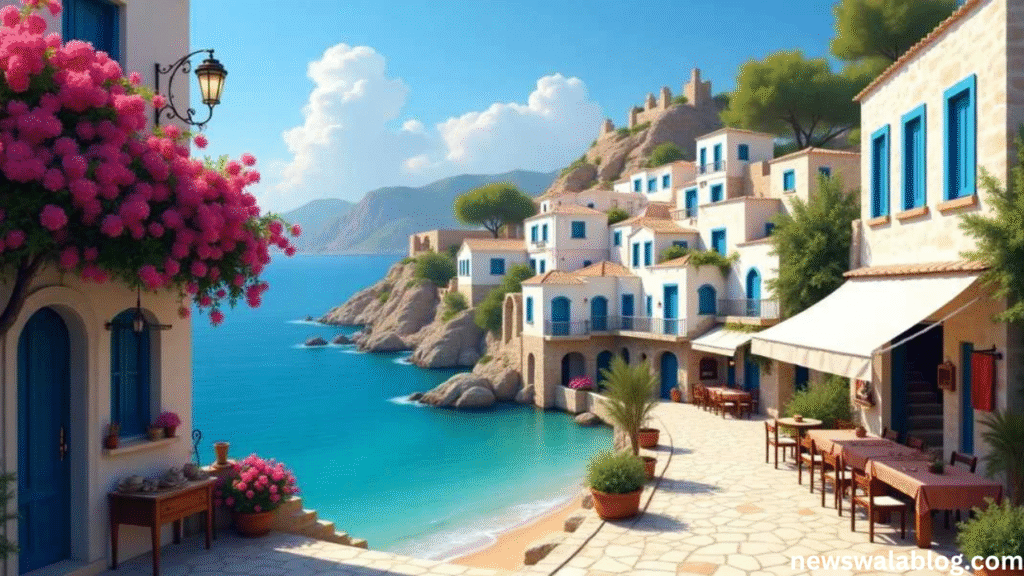
If your interest in sztavrosz is geographic — for example, finding a seaside village or a small town — search for nearby larger cities or well-known landmarks. The places most commonly tied to this root are coastal areas in northern Greece, where small towns and beaches attract seasonal visitors. When planning a visit:
- Confirm the local spelling on official maps and tourism sites to avoid confusion.
- Check transportation links from the nearest city or port, and verify accommodation options in low- and high-season.
- Look for local activities such as beaches, seafood restaurants, and short day trips to nearby attractions.
Using multiple spellings in your searches will help you find richer results: combine sztavrosz with stavros and the name of the region or nearest city.
Culture, name usage, and modern references
Names based on the word for “cross” are common in Greek culture and often appear in religious or historical contexts. In modern settings, the name serves as a personal identifier, a place name, and sometimes as a cultural marker in literature or travel writing. Contemporary websites, blogs, and social posts may use sztavrosz either deliberately for local flavor or because the author follows a regional transliteration style. If you are citing or writing about the term, choose a single spelling and explain that variants exist — this helps readers and search engines alike understand the connection.
Research tips: finding reliable information
When you research sztavrosz, mix search methods:
- Try searches with alternate spellings to catch more results.
- Use authoritative sources for name origins and local government or tourism sites for place details.
- For genealogical records, check civil registries, church records, and immigration documents where spelling variants commonly appear.
Good research recognizes that one spelling rarely captures the whole picture; collecting variants such as stavros, stavrosz, and sztavrosz will give you a fuller view.
Writing about sztavrosz for the web
If your goal is to write a web article or blog post featuring sztavrosz, keep a few principles in mind:
- Use the form of the word that best matches your audience and stick with it across the piece to avoid confusion.
- Explain the origin and mention common variants so readers can follow up using their preferred spelling.
- Add practical details — maps, travel tips, pronunciation guidance — to make the content useful and shareable.
These steps help readers and search engines find and value your content, increasing the chance your page will be discovered by people searching for the term.
How to pronounce the word you see on the page
Pronunciation depends on the language conventions you follow. A simple guide: treat the initial cluster as an /s/ sound followed by the vowel and a rolled or soft r, then a clear vowel and final /s/ sound. If you’re unsure, listen to native Greek pronunciations of the related word and adjust for local variations. Pronunciation audio or a phonetic hint on any page that uses sztavrosz is a helpful accessibility touch for readers.
Final practical notes
sztavrosz is not a mysterious term — it is a readable window into how names travel across languages and borders. Whether you meet it on a map, in a family archive, or on a travel blog, remember that multiple spellings point to the same set of roots and meanings. Use that flexibility to broaden your search and deepen your understanding.
Conclusion
Understanding sztavrosz means recognizing the interplay between language, place, and culture. The term links back to a clear Greek root and appears in different forms where alphabets and phonetics cross. For researchers, travelers, and writers, treating sztavrosz as one of several valid spellings will open more accurate information and richer context.
FAQs
Q1: Is sztavrosz a person’s name or a place name?
A1: sztavrosz can be both — it is a spelling variant tied to a Greek-rooted personal name and to place names derived from the same root. Check context to know which is intended.
Q2: Why are there so many spellings for the same word?
A2: Different languages and alphabets transliterate Greek sounds in different ways; regional spelling rules produce variants like sztavrosz, stavros, and others.
Q3: How do I find sztavrosz on a map?
A3: Search using multiple spellings and include the nearby region or city; pairing sztavrosz with known regions will uncover maps and travel listings.
Q4: Should I use sztavrosz in my article or a different spelling?
A4: Use the spelling that matches your audience’s conventions, but note alternate forms so readers and search engines can make the connection.
Q5: Can sztavrosz help in genealogy research?
A5: Yes — name variants occur often in historical records, so including sztavrosz alongside stavros and other spellings can reveal more documents.
read more : Understanding Exhentaime: A Complete Informational Guide for Curious Readers
Travel & Tourism
Sodziu — Meaning, Origins, and Why It Matters Today
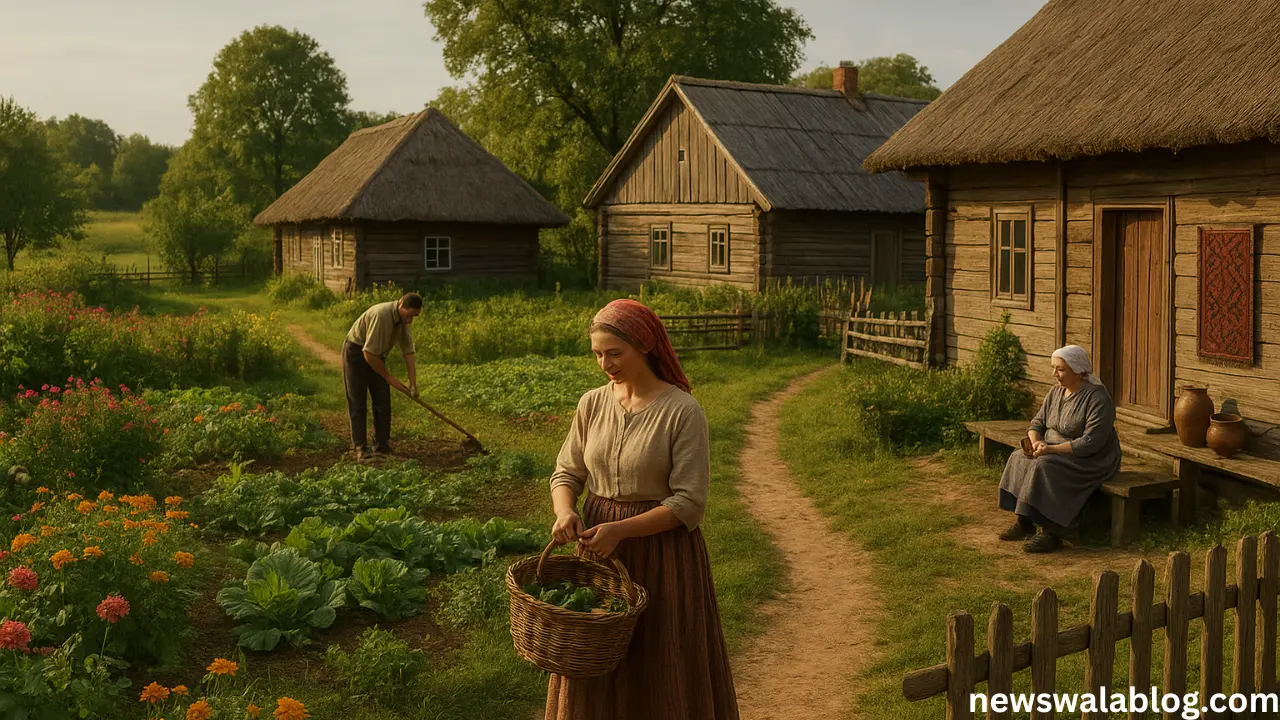
Sodziu is a small, resonant word that opens a window into Lithuanian rural life, language, and cultural memory. At first glance it looks simple, but beneath the surface it carries history, everyday practices, and a sense of place that many readers find quietly compelling. This article explains what sodziu means, where the term comes from, how it appears in modern life and travel, and practical ways you can use the concept in writing, tourism, or cultural projects. Throughout, the aim is to give clear, authoritative information that both curious readers and content creators can use.
What does sodziu mean?
At its core, sodziu refers to a rural homestead or village concept rooted in Lithuanian language and tradition. It describes not only a physical cluster of buildings — a farmstead, courtyard, or small settlement — but also the network of practices tied to countryside living: seasonal work, family gatherings, local crafts, and the rhythms of harvest and home. For many Lithuanians and people interested in Baltic culture, sodziu evokes more than a location; it evokes lifestyle, memory, and continuity.
Linguistically, the word has connections to other Lithuanian rural terms and is often used interchangeably in casual contexts with words that describe village life and smallholders. When you encounter sodziu in articles, travel guides, or interviews, expect the writer to be describing both place and habit: a house with a wooden fence, a vegetable garden, domestic animals, wood-fired ovens, and stories told at the kitchen table. That everyday detail is central to the term’s appeal.
Origins and cultural context
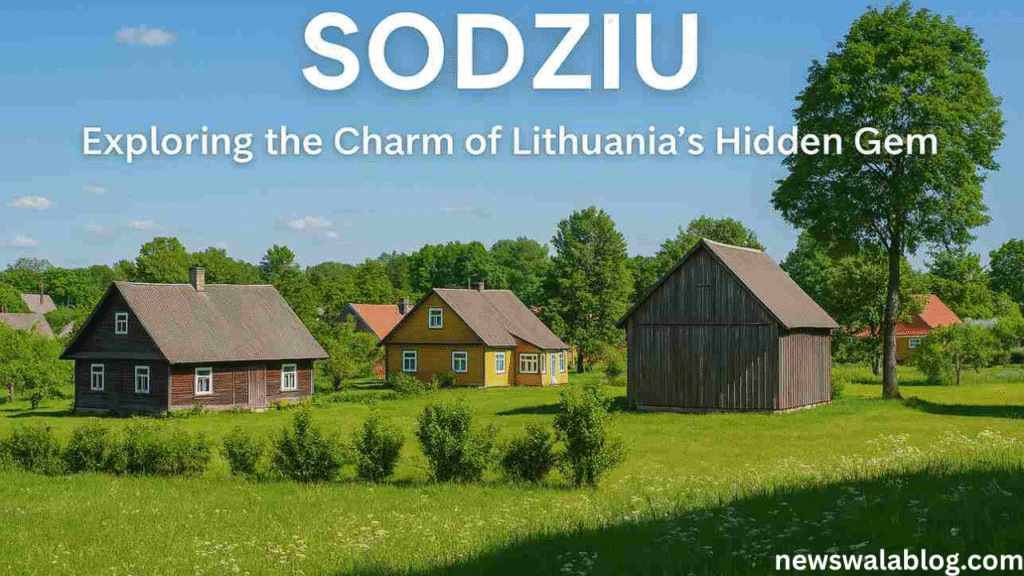
The historical roots of sodziu are tied to agrarian life across the Baltic region. For centuries, the local economy and social organization of Lithuanian areas centered on family farms and tightly knit communities. These homesteads were economic units, social hubs, and repositories of custom — everything from folk songs to seasonal rituals was interwoven into daily rhythms.
Over time, urbanization and migration shifted many inhabitants away from traditional sodziu-like lifestyles. Yet the idea remains powerful in literature, oral history, and contemporary cultural projects. Artists, photographers, and writers often return to sodziu as a motif to explore identity, resilience, and the contrast between modern life and older practices. In short, sodziu serves as a cultural shorthand for continuity and rootedness.
Sodziu in modern usage — travel, lifestyle, and storytelling
Today sodziu appears across multiple genres: travel writing, lifestyle blogs, heritage tourism promotions, and academic pieces on rural history. Travel writers use sodziu to recommend homestays or villages where visitors can experience local crafts, farm-to-table food, and authentic seasonal festivals. Lifestyle writers adopt sodziu as a lifestyle brand — promoting slow living, traditional recipes, and DIY craftsmanship inspired by rural techniques.
For storytelling and photography, sodziu offers rich sensory material: the scent of hay, the creak of a wooden gate, patterns of handwoven textiles, and gestures of hospitality. Many contemporary cultural events and small guesthouses deliberately foreground sodziu-style experiences to attract visitors looking for authenticity away from mass tourism.
Practical guide: Visiting or featuring sodziu in content

If you plan to visit or write about sodziu, grounding your work in detail makes the difference between cliché and credibility. Start by researching local names, seasonal cycles (planting, harvest, festivals), and traditional crafts such as weaving, woodworking, or folk cooking. Seek out local hosts, artisans, or historians for interviews — first-person accounts add authority and texture.
When describing a sodziu, emphasize sensory detail and daily routines: what the morning light does to a thatched roof, how bread is prepared in a village oven, or community customs around harvest celebrations. Practical tips for visitors include arranging homestays in advance, learning a few local phrases, and bringing modest gifts for hosts like kitchen staples or simple tools. These respectful gestures often create more meaningful cultural exchange than surface-level tourism.
Using sodziu in SEO and content strategy
Sodziu is well-suited to niche SEO targeting because it carries strong cultural specificity and relatively low global competition. For content creators aiming to rank on search engines, a recommended approach is to combine clear informational pages (definitions, historical background) with practical guides (travel, recipes, craft tutorials) and multimedia (photographs, interviews, short videos). Use sodziu naturally throughout headings and the body copy — readers and search engines reward clarity and depth.
To build authority, cite local resources, link to Lithuanian language sources where possible, and include date-stamped posts about festivals or seasonal happenings. A content pillar titled “Everything about sodziu” plus several supporting posts (e.g., “Traditional sodziu recipes,” “A photographer’s guide to sodziu landscapes,” “How to stay in a sodziu homestay”) creates a cluster that helps search engines understand topical relevance and can improve ranking over time.
Common misconceptions and how to avoid them

Because sodziu is sometimes unfamiliar to international audiences, writers occasionally mislabel it as simply “village” or use it as a vague rustic brand term. Avoid flattening the idea: sodziu is more specific than a generic rural aesthetic. When using sodziu, provide context — geographic, historical, or social — so readers understand whether you mean a particular settlement, a type of homestead, or a cultural practice.
Another pitfall is romanticizing or exoticizing daily hardship in rural communities. Balance evocative description with factual information about modern realities: infrastructure, local economies, and demographic changes. Respectful, grounded storytelling preserves dignity while honoring tradition.
Practical examples and story ideas
- A photo essay on morning routines in a sodziu homestead: documenting dairy chores, bread-making, and the first light over fields.
- An interview series with elder craftspeople who explain traditional weaving or woodwork techniques and how those practices survive today.
- A seasonal guide outlining what to expect in a sodziu at different times of year — planting, harvest, winter preparations — with tips for visitors.
- A recipe post tracing a traditional dish from garden to table, showing measurements, steps, and cultural meaning behind the meal.
These examples are both reader-friendly and SEO-friendly when they focus on long-form storytelling and practical takeaways.
How to write about sodziu ethically
Ethical cultural reporting means obtaining permission, crediting sources, compensating interviewees when appropriate, and avoiding stereotyped portrayals. If sharing photos or recordings, get written consent where possible and offer copies to participants. When translating local phrases or singing songs in posts, provide accurate transliteration and translation notes so meaning is preserved.
By centering respect and reciprocity in your content about sodziu, you create material that is not only more authentic but also more likely to be shared and trusted.
Conclusion
Sodziu is a compact word with a wide cultural footprint: it names places, practices, and memories tied to Lithuanian countryside life. For writers, travelers, and cultural curators, sodziu offers a wealth of material — sensory detail, human stories, and a framework for ethical storytelling. Whether your goal is to create informative content, plan a meaningful visit, or document traditional crafts, approaching sodziu with curiosity, specificity, and respect will make your work resonate.
Frequently Asked Questions
Q1: What exactly does sodziu refer to?
A1: Sodziu refers to a rural homestead or village concept in Lithuanian culture, encompassing both physical dwellings and the daily practices of countryside life.
Q2: Is sodziu the same as a village?
A2: Not exactly. While sodziu can describe a small settlement, it often emphasizes the homestead and lifestyle aspects rather than the administrative idea of a village.
Q3: Can tourists visit sodziu homesteads?
A3: Yes — many regions offer homestays and cultural visits; arranging visits in advance and respecting local customs is essential.
Q4: How can I use sodziu in my writing?
A4: Use sodziu as a cultural anchor: provide context, rich sensory details, and local voices to ensure authenticity and depth.
Q5: Where can I learn more about sodziu traditions?
A5: Local cultural centers, Lithuanian heritage websites, oral history projects, and interviews with community elders are valuable resources for deeper learning.
read more : Ceıvır — A Practical Guide to Meaning, Uses, and How to Apply It
-

 Celebrity5 months ago
Peter Kay Weight Loss The Incredible Transformation of Britain’s Beloved Comedian
-

 Food & Drink5 months ago
Discover the Authentic Taste of Бишкоти ди Прато Italy’s Most Beloved Almond Biscuits
-

 Entertainment5 months ago
Erazno y La Chokolata The Ultimate Hispanic Comedy Radio Experience
-

 News5 months ago
Wetherspoon Bar Drinking Ban New Policy Sparks Customer Controversy
-

 News5 months ago
Manchester City 115 Charges Verdict Everything You Need to Know About the Historic Case
-

 Entertainment5 months ago
The Complete Guide to Crusader Crossword Puzzles
-

 News5 months ago
Rachel Reeves Pension Tax Complete Guide to Labour’s Policy Changes and Their Impact
-

 Blog5 months ago
Ronnie Ramsay The Untold Story of Gordon Ramsay’s Brother