
Blog
Foenegriek: Uses, Benefits & How to Use It
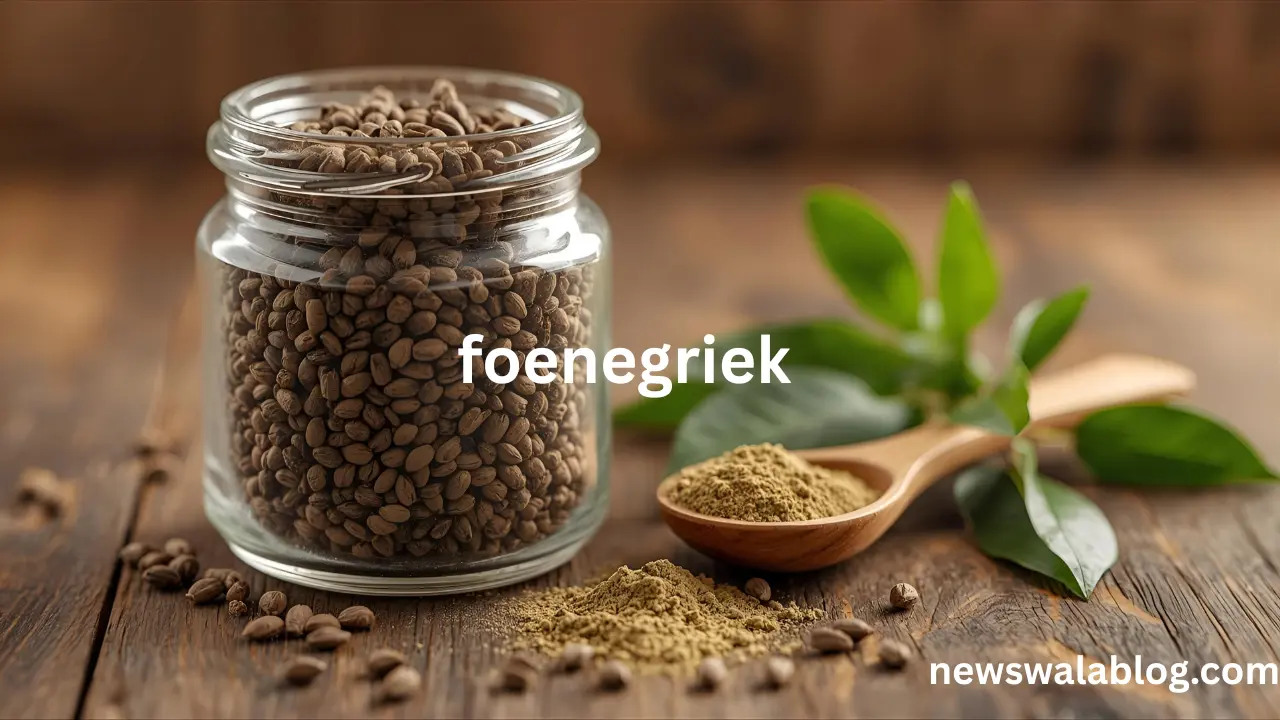
foenegriek is a versatile seed and herb that has been valued for centuries across kitchens and traditional medicine cabinets. Sweet, nutty and slightly bitter, it brings warmth and depth to spice blends while offering a range of nutritional compounds. This guide explains what foenegriek is, how to use it in food and home remedies, the evidence behind common health claims, practical dosage and safety tips, and simple growing and storage advice.
What is foenegriek?
Foenegriek (Trigonella foenum-graecum) is an annual legume whose seeds and leaves are used worldwide. The small, amber-brown seeds are the most common form sold in markets; they can be used whole, roasted, ground, or sprouted. In some cuisines the fresh leaves—known for their slightly bitter, herbaceous flavor—are used like spinach or fresh herbs. Beyond flavor, foenegriek is prized for its fiber, vitamins, and aromatic compounds.
Nutritional profile and active components

A serving of foenegriek seeds delivers fiber, plant protein and micronutrients such as iron and magnesium, alongside bitter-tasting alkaloids and saponins that contribute to the herb’s characteristic aroma and suggested benefits. The seeds also contain a unique compound called diosgenin, often cited in research for its biological effects. When used as part of a varied diet, foenegriek adds both flavor and modest nutritional value without replacing whole foods or clinical treatments.
Culinary uses: how to cook with foenegriek
In the kitchen, foenegriek is a subtle workhorse. Toasting seeds for a few minutes deepens their aroma and reduces bitterness; ground seeds add warm, maple-like notes to spice mixes, sauces, and breads. The leaves—fresh or dried—pair well with legumes and vegetables, and are a traditional component in many South Asian dishes. Try adding a small pinch of roasted, ground seeds to soups, curries, or marinades for a rich, savory background note. Because the flavor is potent, start with small amounts and adjust to taste.
Traditional and modern health claims
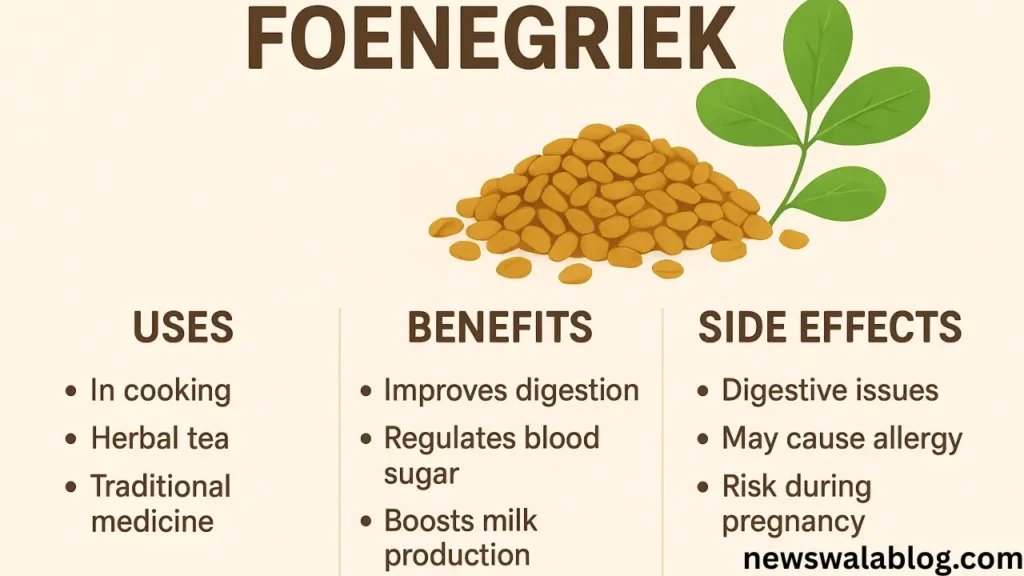
Foenegriek has a long history in traditional medicine for digestion, appetite support, and as a lactation aid. More recently, supplements containing foenegriek extracts are marketed for blood sugar support and metabolic health. Human studies vary in quality and size: some show modest improvements in certain markers, while others show little effect. Because evidence is mixed, it is best to view foenegriek as a complementary ingredient rather than a replacement for medical care.
Evidence, dosage, and safety
When people use foenegriek for health reasons, reported doses range widely depending on the form—seeds, powder, or extracts. Typical supplemental doses in studies fall between one and six grams per day, but formulations differ and standardized dosing is not universally established. Side effects may include gastrointestinal discomfort, gas, or a maple-like body odor at higher intakes. Foenegriek can interact with blood-sugar lowering medications and anticoagulants, and pregnant people should avoid therapeutic doses unless directed by a healthcare professional. Always consult a clinician before beginning regular, concentrated use.
How to grow foenegriek at home
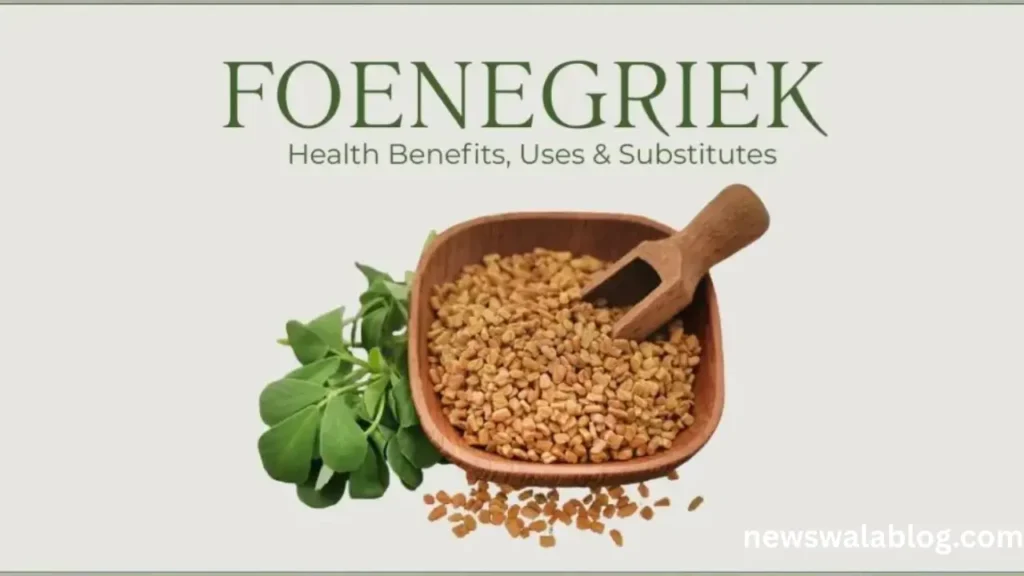
Growing foenegriek is straightforward for gardeners with a sunny spot and well-draining soil. Sow seeds directly after the last frost, keep the soil evenly moist until germination, and harvest leaves or pods as the plant matures. The plant fixes nitrogen in the soil, making it a good companion crop in vegetable gardens. Harvest seeds once pods dry on the plant and store them in an airtight container away from light.
Buying, storing, and choosing quality
Look for whole seeds or powder sold by reputable spice merchants; organic options reduce exposure to pesticides. Whole seeds retain aroma longer than ground forms and can be toasted and ground as needed. Store foenegriek in a cool, dark place in a sealed jar; when stored properly, whole seeds can remain flavorful for up to a year. If buying supplements, choose brands that clearly list ingredient amounts and third-party testing information.
Practical tips for everyday use
Start by experimenting with small amounts: add a quarter teaspoon of toasted, ground seed to a soup or mix a pinch into homemade spice rubs. If you wish to try foenegriek as a dietary supplement, begin at the lower end of recommended ranges and monitor for digestive changes. Combining culinary use with a varied, balanced diet is the most sustainable way to benefit from this ingredient.
Conclusion
foenegriek is a flavorful, history-rich seed and herb that offers culinary versatility and a range of traditional uses. While research into its health effects continues, it is best enjoyed as part of a balanced diet and used cautiously in supplemental doses. Whether you are seasoning a stew, trying a natural remedy, or growing herbs on a sunny windowsill, foenegriek can be a valuable and interesting addition to your pantry and garden.
Frequently Asked Questions
1. Is foenegriek safe to eat daily?
In culinary amounts, foenegriek is generally safe for most people. For concentrated supplement doses, consult a healthcare professional to avoid interactions or side effects.
2. Can foenegriek help with breastfeeding?
Some people report increased milk supply with foenegriek, but evidence is mixed; speak with a lactation consultant or doctor for personalized advice.
3. How do I reduce bitterness when cooking with foenegriek?
Lightly toasting the seeds before grinding or using fresh leaves sparingly helps mellow bitterness and release a sweeter aroma.
4. Where can I buy good quality foenegriek?
Specialty spice shops, organic grocers, and reputable online retailers offer whole seeds and powders—choose brands with clear sourcing information.
5. Can I grow foenegriek on my balcony?
Yes; foenegriek grows well in pots with sunlight and regular watering and can provide both fresh leaves and seeds for home use.
read more: vrealize infrastructure navigator: A practical guide for infrastructure teams

Blog
Kingxomiz: The Complete Guide to a Rising Digital Movement

Kingxomiz is a fresh, buzzworthy name surfacing across social platforms, blogs, and creative communities. At first glance, it looks like a brand, but dig deeper and you’ll find a grassroots creative movement — a blend of digital art, personal identity, and cultural experimentation. This article explains what kingxomiz is, how people use it, and why it’s becoming an important part of modern digital creativity.
What Is Kingxomiz?
Kingxomiz functions as a hybrid cultural label: part aesthetic, part community, and part digital experiment. Creators tag visual art, short-form videos, music snippets, and digital projects under kingxomiz to connect with a shared creative style. For some, it represents a collective of like-minded innovators; for others, it’s a signal for originality and modern expression. The term’s flexibility allows it to bridge multiple creative industries and audiences.
The Origins and Early Spread

The exact origin of kingxomiz remains unclear, but mentions began appearing in blogs and social posts over recent months. As more artists and influencers started using the word, it gained traction and visibility. Unlike corporate trends, kingxomiz doesn’t appear to have a single founder or official platform. Its growth seems organic — fueled by communities that value creativity and individuality. That grassroots expansion makes kingxomiz both authentic and unpredictable.
How Creators and Communities Use Kingxomiz
Creators across different fields are using kingxomiz in unique and creative ways:
- As a tag to group experimental visual content and storytelling.
- As a name for collaborative projects and creative partnerships.
- As a digital marker that helps audiences discover similar work.
The common thread is community. Through shared use of the keyword, creators build visibility, connect with others who share their style, and attract audiences seeking innovative and artistic content.
Kingxomiz and the Tech/Platform Angle

Some discussions describe kingxomiz as more than a movement — suggesting it could be an emerging digital framework or creative platform that integrates technology, AI tools, and collaborative functions. While these descriptions are still developing, they show ambition for kingxomiz to evolve into something beyond a hashtag or trend. It represents a growing desire to merge creativity with technology and social innovation.
Why Kingxomiz Matters for Content Creators
There are three major reasons why content creators should pay attention to kingxomiz:
- Low competition and high visibility: Since the keyword is new, there’s a strong opportunity to create high-ranking content that defines it.
- Community-based discovery: Using the keyword allows creators to connect with niche audiences who appreciate originality and modern aesthetics.
- Cross-platform potential: Kingxomiz fits naturally across video, music, design, and digital storytelling platforms.
For early adopters, kingxomiz offers the chance to build recognition in a movement that’s still growing.
Practical Steps to Join or Leverage Kingxomiz

If you want to join or build content around kingxomiz, here are some practical steps:
- Search for the term on major social platforms to study how it’s being used.
- Create authentic content that matches the creative tone of the movement.
- Include kingxomiz in captions, descriptions, and metadata to improve discoverability.
- Collaborate with creators already associated with the term to expand your reach.
- Stay consistent — audiences respond best to authenticity and quality over volume.
SEO and Content Strategy for Kingxomiz
Because kingxomiz is still new, the SEO potential is significant. To rank well for this keyword:
- Write detailed, informative content explaining the meaning and usage of kingxomiz.
- Use the keyword naturally across titles, headings, and paragraphs.
- Include related terms like “kingxomiz community,” “kingxomiz creators,” and “kingxomiz movement” to broaden visibility.
- Add visuals, examples, and original insights to improve user engagement.
- Keep your writing genuine, conversational, and focused on real value — this aligns with Google’s Helpful Content updates.
Common Mistakes to Avoid
- Keyword stuffing: Overusing kingxomiz can make your content sound forced or robotic. Use it naturally.
- Copying existing posts: The community values originality. Bring your own perspective or creative spin.
- Ignoring updates: As the term evolves, new interpretations may appear. Stay current with trends and discussions.
- Over-commercializing: Authenticity drives engagement; avoid making it sound like a marketing slogan.
Future of Kingxomiz
Kingxomiz is still in its early phase but growing steadily. As more creators adopt the keyword, it could evolve into a broader cultural or digital identity. Whether it becomes a major online movement or remains a niche creative label, it reflects how modern creators blend individuality with shared digital experiences. The future of kingxomiz will depend on how the community continues to define and expand it.
Conclusion
Kingxomiz represents more than a word — it symbolizes creative collaboration, innovation, and cultural evolution. Its rise shows how online communities shape digital trends through shared passion and experimentation. For creators, it offers both opportunity and inspiration. By understanding and contributing authentically, you can become part of the ongoing story of kingxomiz.
FAQs
1. What is kingxomiz?
Kingxomiz is an emerging digital label and creative movement used by artists, influencers, and communities to share experimental content and ideas.
2. How can I join the kingxomiz community?
You can start by creating original content that fits the kingxomiz style and using the keyword in your posts and captions.
3. Is kingxomiz a company or a platform?
Currently, kingxomiz functions more like a creative identity or online movement than a structured business or platform.
4. Why is kingxomiz gaining attention online?
It’s gaining popularity because it blends creativity, individuality, and digital culture — appealing to modern creators and audiences.
5. Can kingxomiz help with brand visibility?
Yes, adopting the kingxomiz concept can help brands and creators reach niche audiences that appreciate innovative and creative expression.
read more :sztavrosz — Meaning, Origins, and a Practical Guide
Blog
Understanding Exhentaime: A Complete Informational Guide for Curious Readers

Exhentaime has become a widely searched term across digital entertainment platforms, often surrounded by curiosity and confusion. Many users encounter the word online without fully understanding its meaning or background. This guide explores what exhentaime is, its evolution, where it is commonly discussed, and why it has gained attention among different audiences.
The Origin and Meaning of Exhentaime
Exhentaime refers to a niche entertainment category that emerged from the broader world of online animation and visual storytelling. Over time, it has grown into a recognizable digital term linked with stylized art, storytelling, and interactive experiences. The popularity of exhentaime has expanded due to fan-driven communities that appreciate its artistic diversity and narrative depth.
This online phenomenon blends creative visuals and immersive worlds that appeal to adult audiences. The digital landscape has contributed to making exhentaime more visible, as users discuss themes, art styles, and animation quality across forums and fan spaces.
How Exhentaime Evolved on the Internet

The rise of exhentaime can be traced back to early fan-made animations and artwork. As technology advanced, it became easier for independent creators to publish digital art and animation, helping the community around exhentaime flourish. This development also attracted online archives, blogs, and websites dedicated to curating and discussing related works.
Search interest in exhentaime increased alongside the growth of anime culture, social media fandoms, and digital creative tools. Today, it stands as a symbol of how internet culture can transform niche interests into mainstream discussions.
The Digital Platforms Behind Exhentaime’s Popularit
Exhentaime has spread across various platforms, including forums, blogs, and digital art communities. Fans often gather in online spaces to share recommendations, review animations, and analyze the evolution of its themes. These discussions highlight how interactive communities can shape and sustain long-term interest in a concept like exhentaime.
Creators also contribute by designing unique visual experiences that capture the emotional and artistic essence of the term. As a result, many platforms now feature sections dedicated to similar genres, reflecting the global demand for creative storytelling.
Why Exhentaime Attracts So Much Attention

The interest in exhentaime often comes from its artistic and narrative variety. For some, it represents a form of visual escapism that allows audiences to explore imaginative worlds and emotions through animated expression. For others, it showcases the creativity of independent artists and animators who push boundaries in digital storytelling.
Another reason exhentaime continues to trend online is the open community surrounding it. Fans freely exchange opinions, share recommendations, and even create derivative works. This constant interaction keeps the keyword relevant and continuously growing in search popularity.
The Cultural Impact of Exhentaime
Beyond entertainment, exhentaime reflects how digital culture influences art and storytelling. It shows that global audiences are increasingly open to niche content, creative freedom, and experimental visual art. The rise of exhentaime also mirrors how digital media blurs the line between independent creation and mainstream entertainment.
Its presence in online discussions highlights changing attitudes toward adult-themed art forms. Many observers see this as part of a broader cultural shift toward recognizing digital art as a valid creative expression.
Safety and Ethical Consideration

While exploring exhentaime, it’s essential for users to approach content responsibly. Online platforms vary in how they moderate material, and not all content is suitable for all audiences. Users should verify sources and ensure they engage with content ethically and within their personal comfort levels.
Promoting safe digital behavior and respecting creative ownership are key aspects of being part of the online community around exhentaime. Supporting legitimate creators ensures that artistic efforts are appreciated rather than exploited.
The Future of Exhentaime in Digital Media
As technology continues to evolve, the future of exhentaime appears to be shaped by new tools, styles, and viewer preferences. With the rise of artificial intelligence, virtual animation, and immersive storytelling, more creators are experimenting with complex designs and storylines.
Exhentaime will likely continue expanding across digital platforms, influencing other creative sectors like gaming, visual art, and virtual storytelling. Its journey from a niche topic to a widely recognized cultural term demonstrates how online communities can redefine entertainment trends.
Conclusion
Exhentaime represents more than just a digital keyword—it reflects a dynamic community, artistic expression, and cultural evolution. As audiences continue exploring diverse forms of animation and visual creativity, the interest in exhentaime will remain steady. Responsible viewing, appreciation for artistry, and awareness of online ethics are vital for engaging positively with this expanding cultural topic.
FAQs
1. What does exhentaime mean?
Exhentaime refers to a digital entertainment category focusing on stylized animated art and storytelling, often discussed within online communities.
2. Why is exhentaime popular online?
Its unique blend of animation, creativity, and fan engagement has made it a trending term in internet culture.
3. Is exhentaime safe to explore?
Yes, if approached responsibly. Viewers should use reputable platforms and ensure content aligns with their preferences.
4. Who creates exhentaime content?
Independent artists and digital creators from around the world produce content inspired by various visual storytelling traditions.
5. Will exhentaime continue to grow in the future?
Yes, with ongoing advances in technology and animation, exhentaime is likely to expand further in the digital entertainment world.
read more : Discover Aiyifan: The Emerging Platform Changing the Way People Stream and Connect
Blog
Gärningar – Meaning, Use, and Importance in Everyday and Legal Language

The word gärningar holds deep meaning in Swedish, stretching from everyday actions to legally defined deeds. It’s one of those words that carries both simplicity and weight — describing everything from good deeds and helpful acts to crimes and moral questions. In this article, we’ll explore what gärningar means, how it’s used, its role in law and ethics, and how you can use it effectively in writing or research.
What Does Gärningar Mean?
In its most basic sense, gärningar (the plural form of gärning) means acts or deeds. It refers to something a person does — an action with intent or effect. The term can be neutral, such as performing an everyday task, or it can carry strong moral or legal meaning. When people talk about “good deeds,” they’re speaking about goda gärningar, while legal professionals use gärningar to describe acts that might constitute a crime.
In short, the meaning of gärningar depends on context: a positive moral choice or an action with serious legal consequences.
Gärningar in Legal Context

In Swedish law, gärningar are central to how crimes are defined. The Swedish Penal Code (Brottsbalken) uses the term gärning to describe an act or behavior that can be considered criminal. Whether an action becomes punishable depends on intent, motive, and circumstances.
For example, if someone commits theft, that specific act — the act of taking something that doesn’t belong to them — is the gärning. Legal professionals analyze every aspect of the gärning: the act itself, the person’s intention, and the outcome.
So, in legal language, gärningar are more than just “actions” — they’re the foundation of how responsibility and guilt are determined.
Common Expressions with Gärningar
The word gärningar appears in many common Swedish expressions. For instance:
- “Han greps på gärningen” — means “He was caught in the act.”
- “Goda gärningar” — means “good deeds.”
- “Straffbara gärningar” — means “punishable acts.”
These examples show how the same word can shift in tone depending on context — from friendly and moral to serious and legal. Everyday use of gärningar often refers to someone’s actions being noticed or judged.
Gärningar in Religion and Morality

In religious and moral discussions, gärningar often refer to actions that reflect one’s faith, character, or values. A person’s deeds can be seen as proof of their integrity or compassion. Religious texts frequently emphasize goda gärningar — good deeds that express kindness, generosity, or selflessness.
At the same time, negative gärningar — harmful or immoral acts — are viewed as moral failings. Across cultures, people are often judged by their gärningar rather than their words, showing how powerful this concept is in shaping ethical thinking.
Synonyms and Related Words
To write naturally and avoid repetition, it helps to know related words and synonyms for gärningar. Depending on tone and context, you can use:
- Handling – a neutral synonym meaning “action”
- Dåd – used for heroic or dramatic acts
- Bedrift – means “achievement” or “feat”
- Verk – “work” or “creation”
However, gärning remains the preferred word in law and moral writing because it carries both depth and specificity. Using the right synonym can help you set the tone — legal, moral, or everyday.
Writing Tips: Using Gärningar Effectively

When writing online or creating educational content, it’s essential to use gärningar naturally and meaningfully. Here are a few practical tips:
- Place the keyword early – Include gärningar in your introduction and at least one subheading.
- Provide real examples – Show how the term is used in real sentences or situations.
- Balance explanation and storytelling – Mix factual definition with narrative examples to keep readers engaged.
- Avoid repetition – Use related terms where appropriate but return to gärningar enough times for clarity and SEO value.
- Think about intent – Whether you’re describing good deeds or criminal acts, explain why the gärning matters.
By doing this, your writing will sound natural, authoritative, and easy to read — exactly what search engines look for in high-quality, human-written content.
Misunderstandings and Common Mistakes
A common mistake is to confuse gärningar with handlingar. While both mean “actions,” gärning has a stronger and more specific tone. Handling is neutral and general, while gärning often implies a legal or moral dimension.
Another mistake is overusing the term without context. Always explain what kind of gärningar you’re referring to — moral, legal, or everyday — so readers understand your point clearly.
Gärningar in Journalism and Reports
In journalism or legal reporting, gärningar often appear in descriptions of crimes or human-interest stories. Writers should aim for neutrality and precision. Describe what happened, who was involved, and the consequences, without speculating about motives unless confirmed by sources.
Well-researched articles that place gärningar within a broader social or legal context — for instance, linking an event to national statistics or expert opinions — tend to perform better with readers and rank higher on Google.
Expanding Reader Understanding
If your goal is to educate readers, add references or credible sources. For legal discussions, cite Swedish laws or court cases. For moral or religious themes, refer to philosophical or theological writings. Combining practical and theoretical perspectives makes your article more valuable and trustworthy.
Conclusion
Gärningar represent more than simple actions — they embody the moral, social, and legal weight behind what people do. Whether we talk about good deeds, harmful acts, or punishable offenses, gärningar reveal who we are and what we stand for.
Writing about gärningar with care, clarity, and context not only improves reader understanding but also builds authority for your content. When done right, your article becomes both informative and engaging — the perfect balance for readers and search engines alike.
FAQs About Gärningar
What does gärningar mean?
Gärningar means actions or deeds — things a person does that can be positive, neutral, or even criminal.
Is gärningar a legal term?
Yes, in Swedish law, gärningar describes acts that can be punishable under the Penal Code.
What’s the difference between gärning and handling?
Handling is general and neutral; gärning often carries a legal or moral sense.
Can gärningar be both good and bad?
Yes, goda gärningar are positive deeds, while criminal gärningar are negative or punishable.
Why is gärningar an important word?
Because it captures the essence of human action — showing intent, responsibility, and consequence across moral, social, and legal contexts.
read more : Ditto for Us NYT Crossword — Answer, Explanation & Solver Tips
-

 Celebrity5 months ago
Peter Kay Weight Loss The Incredible Transformation of Britain’s Beloved Comedian
-

 Food & Drink5 months ago
Discover the Authentic Taste of Бишкоти ди Прато Italy’s Most Beloved Almond Biscuits
-

 Entertainment5 months ago
Erazno y La Chokolata The Ultimate Hispanic Comedy Radio Experience
-

 News5 months ago
Wetherspoon Bar Drinking Ban New Policy Sparks Customer Controversy
-

 News5 months ago
Manchester City 115 Charges Verdict Everything You Need to Know About the Historic Case
-

 Entertainment5 months ago
The Complete Guide to Crusader Crossword Puzzles
-

 News5 months ago
Rachel Reeves Pension Tax Complete Guide to Labour’s Policy Changes and Their Impact
-

 Blog5 months ago
Ronnie Ramsay The Untold Story of Gordon Ramsay’s Brother